

 Thomas Unise
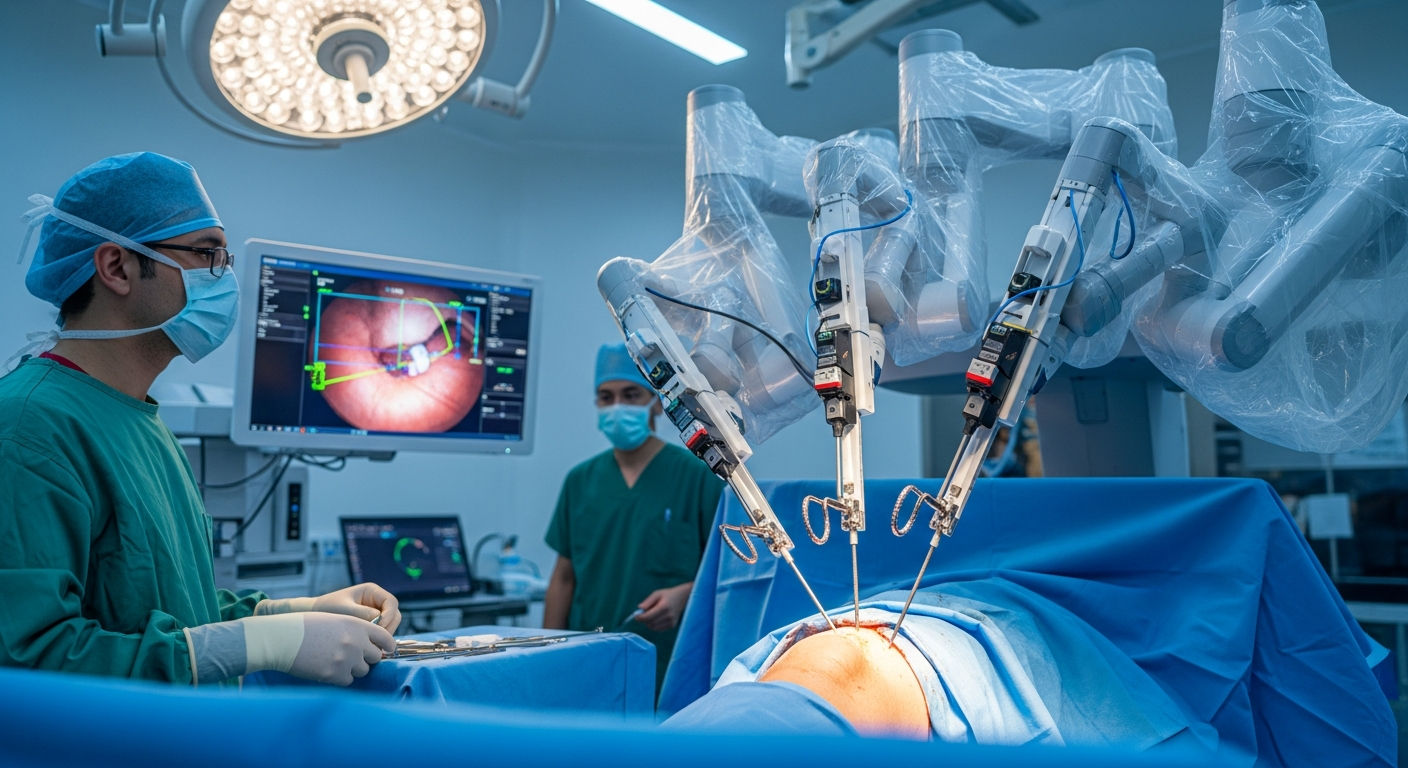
Stryker has announced the limited market rollout of its new Mako RPS (robotic power system) for Total Knee, expanding its robotics platform with a handheld system that combines robotic technology with power tool capabilities.
Key Features of Mako RPS
The Mako RPS represents a significant addition to Stryker’s robotic offerings, designed as a handheld alternative to their existing robotic-arm assisted platform. The system features intraoperative planning capabilities and a robotically enabled saw equipped with patented active adjustment technology that responds to a surgeon’s hand movements, guiding the saw to maintain alignment with the surgical plan.
Integration capabilities are a central focus of the new system. Mako RPS works seamlessly with Stryker’s Triathlon Total Knee System and Q Guidance system, allowing for a familiar cutting experience without requiring cutting blocks. The company emphasizes that the platform easily integrates into existing surgical workflows.
Market Position and Strategy
This launch expands Stryker’s Mako brand into two distinct platforms: Mako SmartRobotics (featuring Mako 4) and the new Mako Handheld Robotics with Mako RPS. According to Stryker, this expansion aims to reach new market segments by offering a simpler alternative to its traditional surgical robots.
CEO Kevin Lobo highlighted the user-friendly nature of the handheld system, noting that unlike the standard Mako platform, which requires significant adjustment from surgeons and staff, the Mako RPS is “very simple, very easy to use [and] doesn’t require the surgeon to go through that type of transition.”
Stryker’s Robotics Leadership
Mike Carlin, president of Stryker’s Ortho Tech division, emphasized the company’s established position in orthopedic robotics, citing nearly 20 years of experience and over 2 million procedures performed across 46 countries globally. The company views Mako as having established robotics as a standard of care in orthopedics.
The first total knee cases using Mako RPS have already been successfully completed, with plans to showcase the technology at the American Academy of Orthopaedic Surgeons meeting in New Orleans in March.
Conclusion
Stryker’s introduction of the Mako RPS represents a strategic expansion of its robotic offerings, providing a more accessible option that maintains advanced capabilities while requiring less adaptation from surgical teams. This development could potentially broaden the adoption of robotic assistance in total knee replacement procedures, furthering Stryker’s position in the orthopedic robotics market.


GIPHY App Key not set. Please check settings