

 Thomas Unise
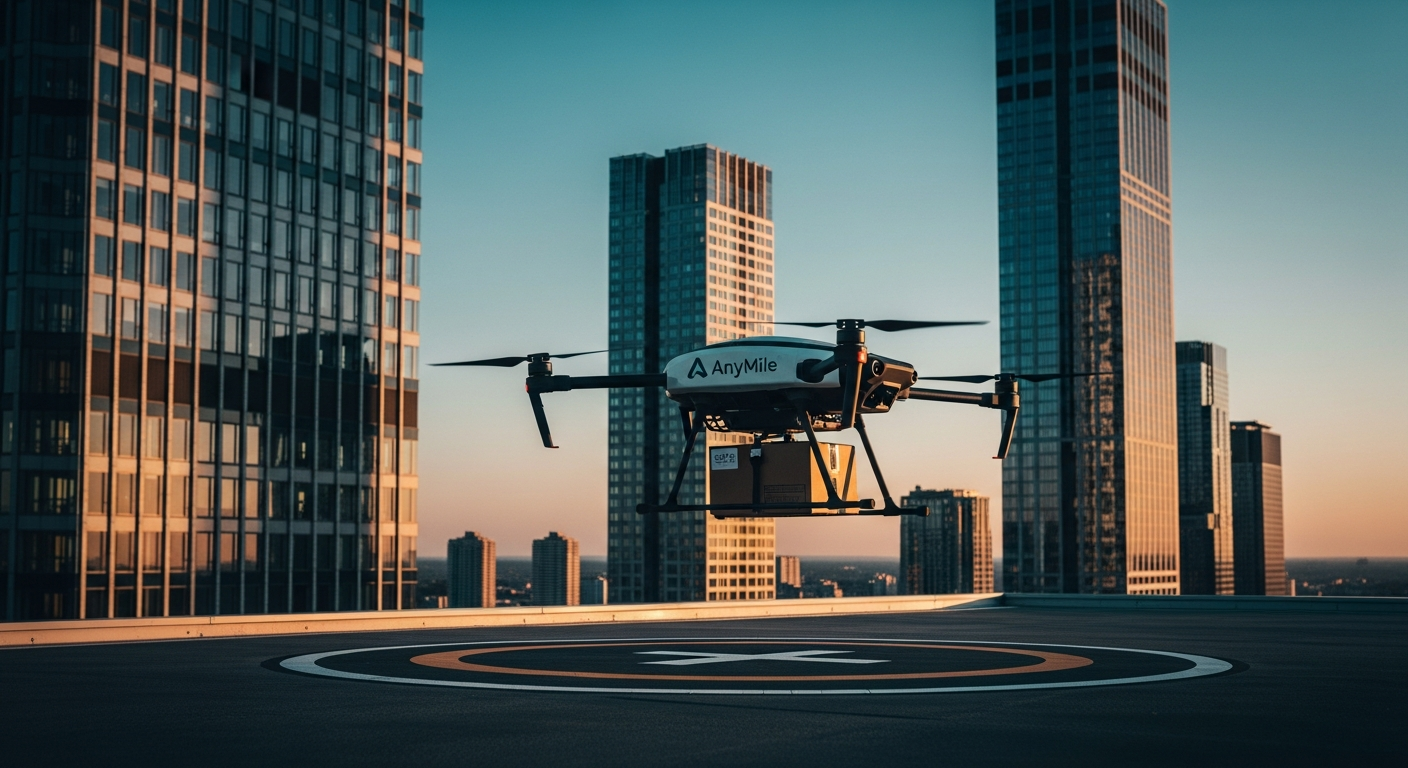
Mitsubishi Electric United States (MEUS) is advancing digital transformation through innovative software platforms and AI-powered systems, with AnyMile logistics software for drone cargo management standing out as a prime example of their digital-first approach.
Addressing Business Challenges Through Digitalization
According to Zafer Sahinoglu, Vice President and General Manager of the Mitsubishi Electric Innovation Center, both large enterprises and SMBs face similar challenges today: workforce shortages, rising operational costs, fragmented data, increasing service expectations, and sustainability pressures. Effective digitalization integrates sensing, connectivity, analytics, and governance tools to improve operational visibility and decision-making.
MEUS emphasizes that successful digital transformation requires strong foundations beyond AI alone. The company prioritizes connectivity, data integrity, and system-level visibility before implementing advanced AI solutions. Digital twins, connectivity layers, and standardized data models often provide more immediate impact than isolated AI applications.
Strategic Data Management
Rather than collecting excessive data, MEUS advocates for a strategic approach using their “data value canvas” framework. This methodology helps organizations identify which data meaningfully improves reliability, efficiency, or compliance, creating more cost-effective systems aligned with business objectives.
AnyMile: Simplifying Drone Cargo Management
As drone cargo operations scale from pilots to full deployments, complexity increases exponentially. AnyMile serves as a mission-centric orchestration layer managing the complete lifecycle of drone operations, including fleet availability, airspace constraints, payload requirements, regulatory compliance, and post-mission reporting.
The platform is designed for rapid deployment with minimal integration requirements. It comes pre-integrated with UTM (uncrewed traffic management) systems in the U.S. and is being integrated with EPIC systems for medical delivery workflows. The onboarding process is intentionally lightweight, allowing operators to register drone fleets and configure vertiports within minutes.
Cross-Domain Collaboration and Integration
MEUS’s technologies extend beyond drone management to broader robotics and automation applications. The company collaborates closely with Mitsubishi Electric’s hardware divisions and Mitsubishi Electric Research Laboratories (MERL) to create integrated systems that combine software, data, and hardware advantages.
This collaborative approach delivers solutions that are more reliable, scalable, and easier to deploy in real-world environments, creating competitive advantages across multiple automation domains.
Ongoing Challenges in Automation
Despite progress, significant challenges remain in the automation landscape. These include integrating legacy infrastructure, ensuring cybersecurity in connected environments, maintaining data quality across distributed systems, addressing workforce skills gaps, and establishing clear governance and accountability frameworks for automated systems interacting with physical assets.
Addressing these issues will be crucial for ensuring that automation and digitalization enhance resilience and safety, not just operational efficiency.



GIPHY App Key not set. Please check settings