

 Thomas Unise
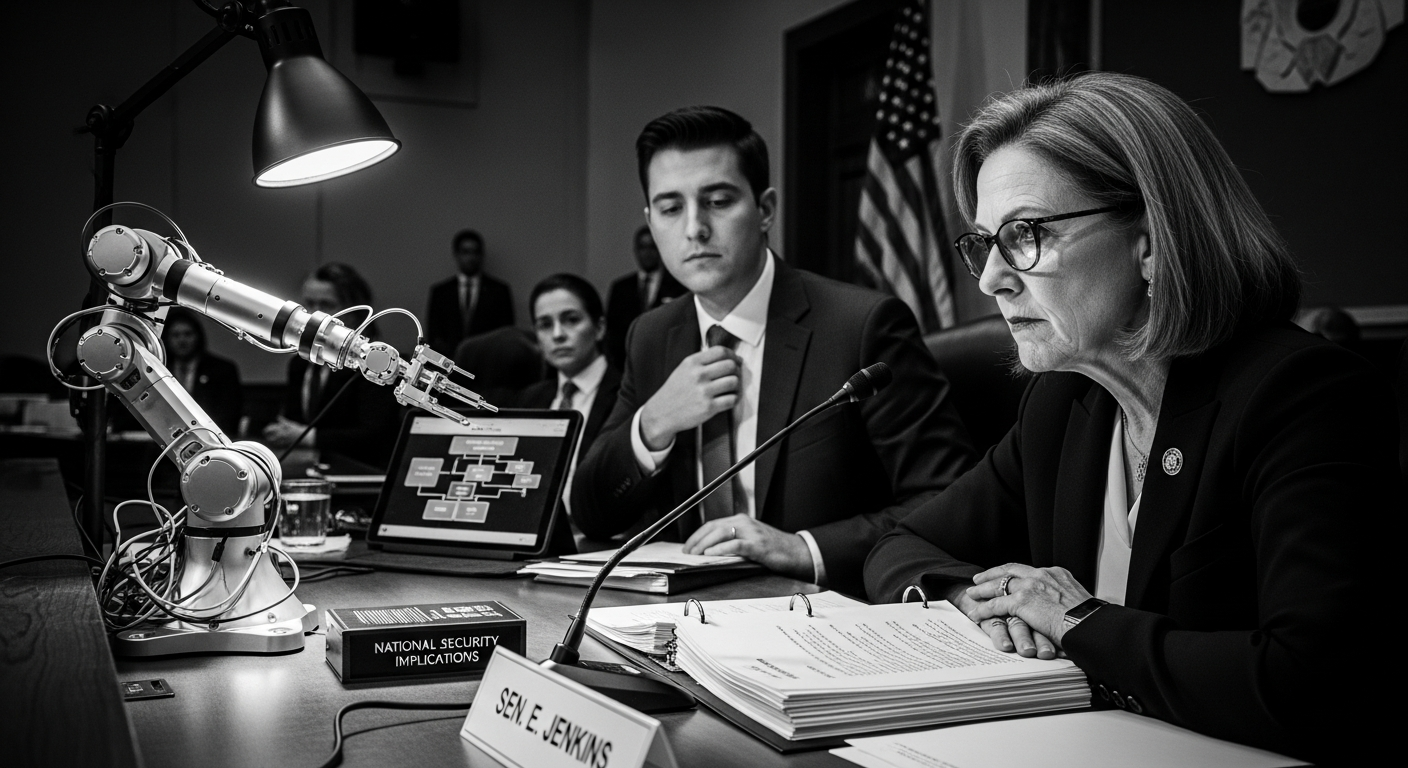
Two significant robotics bills were introduced in Congress this week, signaling increased legislative attention to America’s position in the global robotics industry. These initiatives focus on enhancing US competitiveness and addressing national security concerns related to foreign-made robotics technology.
National Commission on Robotics Act
Representatives Jay Obernolte (R-CA), Jennifer McClellan (D-VA), and Bob Latta (R-OH) introduced H.R. 7334, which proposes establishing an independent commission of 18 robotics experts under the Department of Commerce. This bipartisan commission would examine domestic and international developments in robotics, assess workforce challenges, identify supply chain risks, and evaluate robotics’ role in economic growth and national security.
The commission would submit an interim report within one year and deliver final actionable recommendations to Congress and the administration within two years. Industry leaders have welcomed this legislation as the first federal initiative specifically supporting the US robotics industry.
Humanoid ROBOT Act of 2025
Senators Bill Cassidy (R-LA) and Chris Coons (D-DE) introduced S. 3275, which would prohibit the federal government from acquiring humanoid robots with integrated AI from foreign entities, particularly those with connections to China, Iran, North Korea, and Russia. This legislation addresses growing concerns about national security implications as humanoid robots become increasingly integral to industrial, household, and defense applications.
Industry Support and New Initiatives
The Association for Advancing Automation (A3) has been a major proponent of a national robotics strategy, with its president Jeff Burnstein calling the legislation “a major development towards strengthening U.S. leadership in robotics and automation.”
Simultaneously, the Association for Uncrewed Vehicle Systems International (AUVSI) launched the Partnership for Robotics Competitiveness (PfRC), aimed at creating policies and targeting investments to reduce reliance on foreign suppliers, scale domestic manufacturing, and create high-quality jobs across the country.
Key Industry Perspectives
- Brendan Schulman (Boston Dynamics): “Robots will not only transform core industries, help reshore critical manufacturing, and elevate job safety and efficiency — they will also redefine America’s economic and industrial future.”
- Robert Little (Novanta): “Robotics and automation are not optional tools—they are foundational infrastructure. Without them, reshoring at scale is not feasible.”
- Jeff Cardenas (Apptronik): “If we want to stay competitive on the global stage, we need a coordinated national robotics strategy that aligns innovation, workforce development, and federal policy.”
- Wendy Tan White (Intrinsic): “The strategic importance of physical AI for the coming decades cannot be overstated.”
Growing International Competition
The legislation comes as competition in robotics intensifies globally. Chinese companies like LimX Dynamics are receiving substantial funding, and many US laboratories and manufacturers currently rely on Chinese hardware and components for their robotics development.
Conclusion
These legislative initiatives mark a significant shift in Washington’s approach to robotics, recognizing the technology’s critical importance to national security, economic competitiveness, and industrial leadership. As AI accelerates robotics capabilities and reshores manufacturing becomes a priority, the US is taking steps to ensure it maintains leadership in this transformative industry.


GIPHY App Key not set. Please check settings