

 Thomas Unise
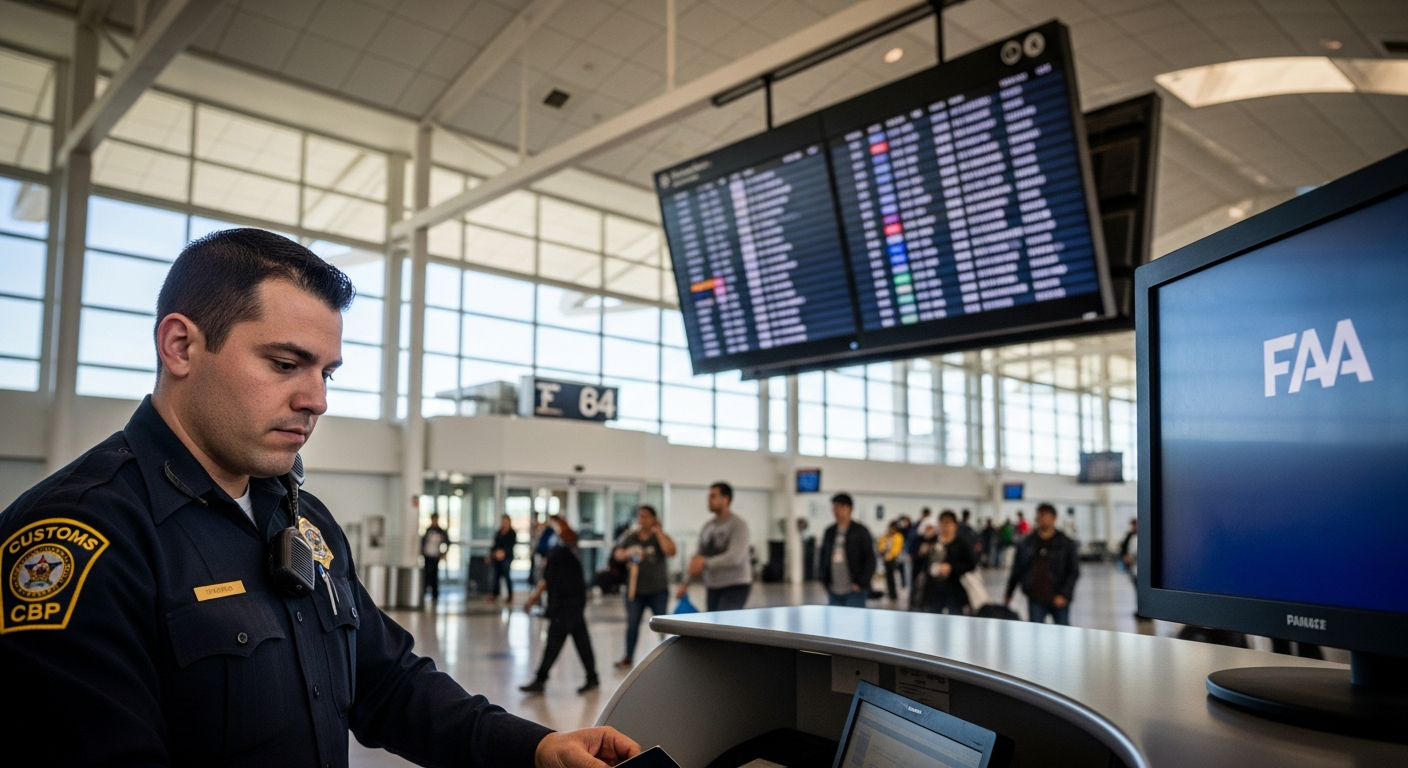
A bizarre series of events unfolded this week when federal officials abruptly closed the airspace above El Paso, Texas, effectively shutting down the city’s international airport for what was initially planned to be ten days. The incident revealed concerning gaps in communication between federal agencies and raised questions about the militarization of border operations.
What Actually Happened
The closure was ordered by Federal Aviation Administration (FAA) administrator Bryan Bedford after discovering that Customs and Border Protection (CBP) officials were using a high-energy, counter-drone laser weapon at Fort Bliss, adjacent to the El Paso International Airport. In a twist that borders on the absurd, the supposed threat that triggered the use of this military-grade equipment turned out to be a party balloon, not the Mexican cartel drone they believed they were targeting.
Key Issues Revealed
According to the New York Times, CBP had borrowed the anti-drone laser device from the Department of Defense. The airspace closure appears to have resulted from CBP failing to provide adequate notice to aviation officials before deploying the weapon. This breakdown in communication created a cascade of confusion that left many officials, including those at the White House and in El Paso’s local government, completely blindsided.
The timeline remains unclear, but sources indicate the FAA’s decision to close the airspace came before the completion of a safety assessment. The FAA had apparently warned the Pentagon it would need to shut down the airspace if not given sufficient time, suggesting potential interagency tensions.
Broader Concerns
This incident highlights the Trump administration’s ongoing militarization of CBP, providing its personnel with advanced military equipment often used against unarmed individuals. The agency’s Immigration and Customs Enforcement division has been involved in controversial nationwide operations that have resulted in at least two deaths and prompted congressional investigations.
Senator Jack Reed (D-RI) expressed concern about the incident, stating: “A ten-day shutdown of a major US air corridor is an extraordinary step that demands a clear and consistent explanation. The conflicting accounts coming from different parts of the federal government only deepen public concern and raise serious questions about coordination and decision-making.”
El Paso Mayor Renard Johnson was equally critical, calling the failure to communicate “unacceptable.”
Conclusion
The El Paso airport closure represents a perfect storm of poor interagency coordination, questionable deployment of military technology, and inadequate communication protocols. What began as a response to a perceived security threat ended as an embarrassing overreaction that disrupted air travel and revealed significant gaps in how federal agencies coordinate sensitive operations, especially those involving powerful military technology in civilian areas.


GIPHY App Key not set. Please check settings