

 Thomas Unise
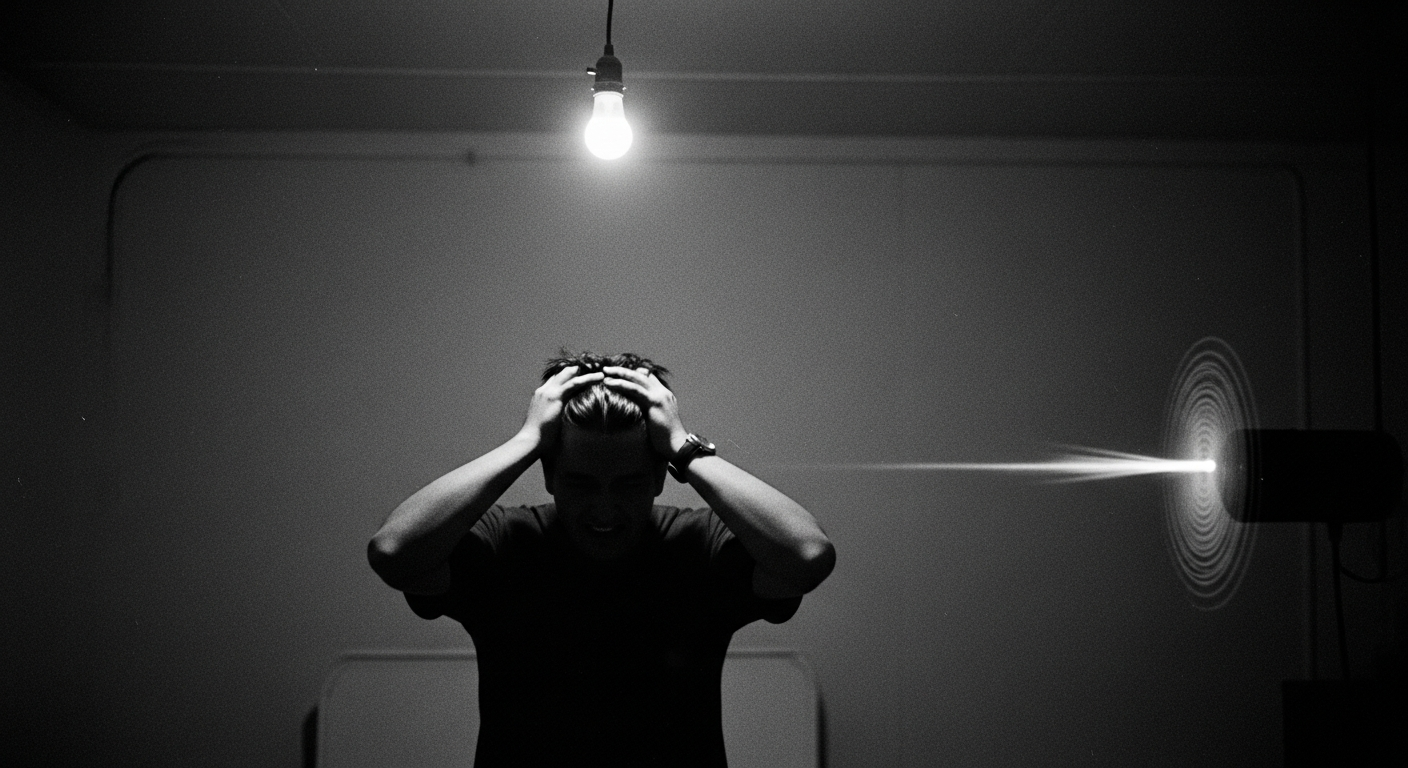
A Norwegian government scientist has inadvertently revived the controversial debate surrounding “Havana syndrome” after testing a pulse-energy weapon on himself, according to recent Washington Post reporting. The incident has drawn attention from US intelligence agencies despite previous conclusions that foreign adversaries were unlikely to be using such technology.
Key Details of the Norwegian Weapon Incident
The unnamed Norwegian scientist had been secretly developing a microwave pulse-energy weapon, similar to what some theorize could cause the mysterious “Havana syndrome.” In a surprising turn of events, the scientist, skeptical of the weapon’s harmful effects, tested it on himself in 2024.
Contrary to his expectations, the self-experiment resulted in neurological symptoms consistent with those reported in Havana syndrome cases. These typically include head pain, dizziness, confusion, insomnia, and cognitive difficulties.
US Intelligence Interest
The incident prompted at least two separate visits from CIA and State Department officials. This interest may be connected to a reported Department of Homeland Security operation to purchase a pulsed-radio weapon for an eight-figure sum earlier this year.
Havana Syndrome Context
The term “Havana syndrome” originated from symptoms experienced by US and Canadian embassy staff in Cuba. While the condition has generated significant speculation about foreign attacks using directed-energy weapons, a 2023 assessment by five US intelligence agencies concluded it was “highly unlikely” that the syndrome resulted from malicious attacks.
Limitations of the Norwegian Case
Sources cited by the Washington Post noted several important caveats:
- The successful production of such a weapon in Norway, a US ally, doesn’t prove foreign adversaries are using similar technology
- Some sources questioned whether the scientist’s symptoms aligned with “classic” Havana syndrome effects
- The broader scientific community remains divided on the nature and causes of these health incidents
Implications
Despite the limitations, this incident has reinvigorated discussion about whether directed-energy weapons can induce brain damage. The case adds a new chapter to what the Washington Post describes as “one of the strangest stories in contemporary statecraft.”
The scientific community continues to prefer the term “Anomalous Health Incidents” rather than Havana syndrome, reflecting ongoing uncertainty about the condition’s precise definition and causes.



GIPHY App Key not set. Please check settings