

 Thomas Unise
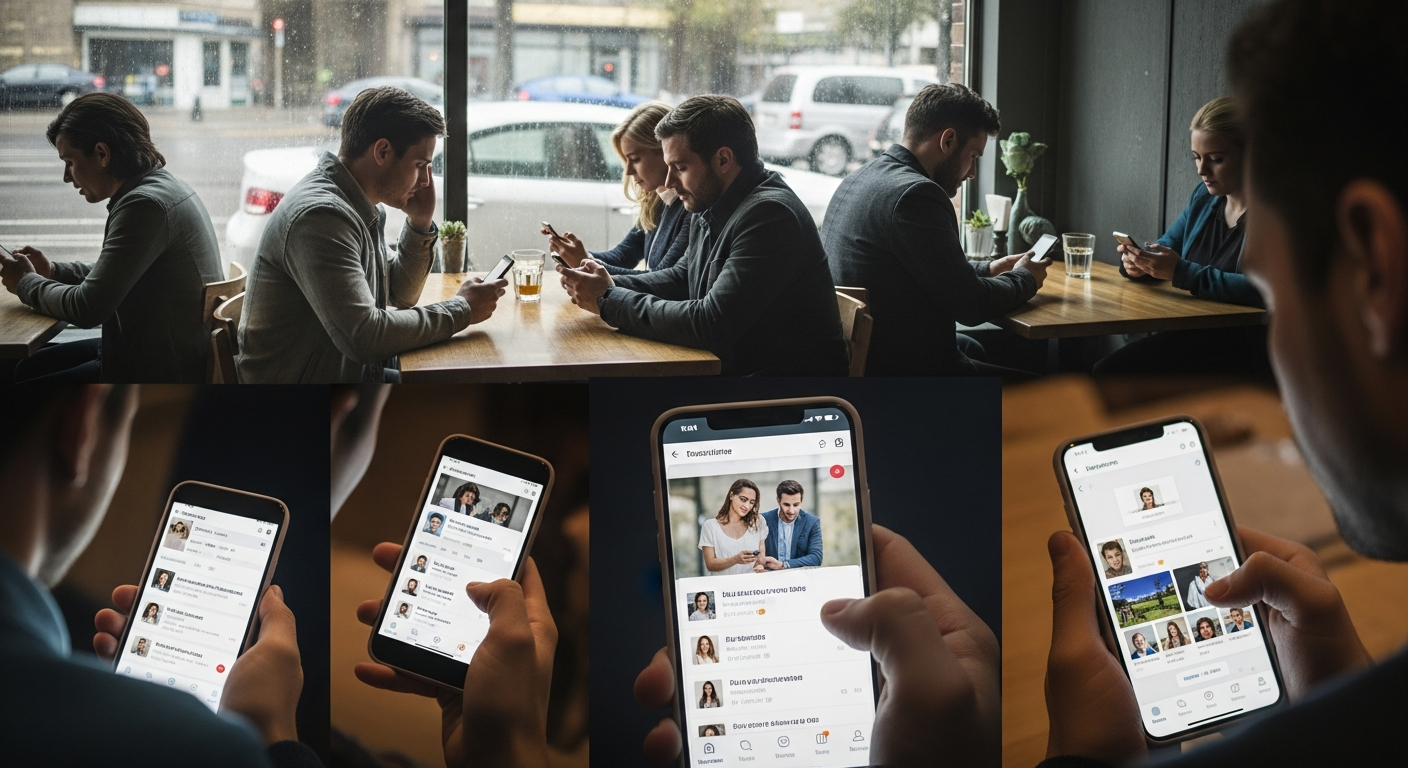
In 2025, the dating industry experienced a significant shift as companies balanced AI innovation with renewed focus on authentic human connection. Dating apps, facing declining engagement and user fatigue, turned to both artificial intelligence and real-world experiences to revitalize the search for love.
The AI Dating Transformation
Big Dating companies embraced AI technology not just as a trendy addition but as a potential solution to long-standing problems. Three Day Rule launched Tai, an AI coaching app, while Grindr incorporated AI tools from Anthropic and Amazon. Other platforms like Iris, Rizz, and Elate developed AI features to help users navigate early conversations.
This AI integration represented more than innovation—it was an attempt at redemption for an industry that had previously prioritized scale and profit over meaningful connections. The goal shifted toward connecting people faster and more effectively, potentially leading to lasting relationships rather than endless swiping.
The Return to Real-World Romance
Simultaneously, a powerful counter-trend emerged: a significant return to in-person dating experiences. Despite technological advances, young people increasingly sought alternatives to purely digital connections. This manifested in several ways:
- The popularity of “Sit at the Bar September” on social media
- A surge in flirting parties across Los Angeles
- A 35% increase in “friending events” on Eventbrite
- 55% growth in attendance at board game dating events
- New apps focused on facilitating real-life meetings rather than endless digital interactions
New dating services like Beyond, Cerca, Breeze, and Timeleft emphasized intention over scale, often incorporating social accountability and mutual connections into their platforms.
The Dating Industry’s Dual Strategy
What emerged in 2025 was a dual approach by dating platforms: using AI to streamline the initial connection process while simultaneously creating more pathways to offline interactions. This represented a significant shift from previous years when apps seemed designed to keep users endlessly swiping.
According to Eric Waldstein, CEO of Beyond, the industry is moving “toward trust over reach” as singles seek more social accountability in their dating experiences. Users increasingly want “digital to facilitate real-life interaction, not replace it.”
The Future of Dating
Looking ahead to 2026, offline-focused dating technology is expected to gain even more prominence. The industry appears to have recognized that while AI can enhance the matching process, genuine human connection remains irreplaceable.
As the article concludes, the biggest theme for dating platforms in 2025 was getting people offline—with or without AI assistance—and back into the physical world to rediscover traditional forms of connection.


GIPHY App Key not set. Please check settings