

 Thomas Unise
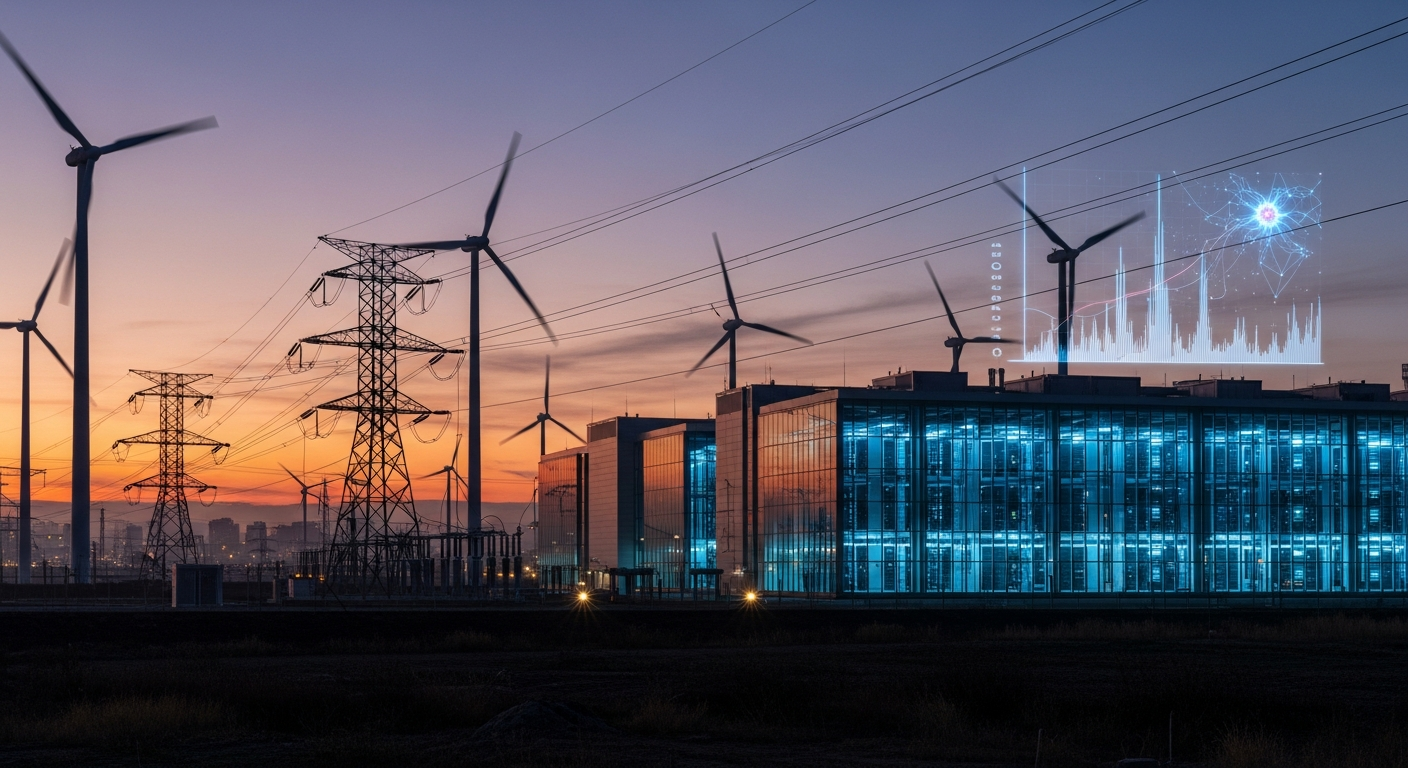
AI data centers on the East Coast are consuming so much electricity that nonprofit grid operator PJM may need to implement rolling blackouts during extreme weather conditions to protect grid integrity. These potential blackouts would affect approximately 67 million people across 13 states, raising serious concerns about infrastructure capacity and energy distribution priorities.
The Growing Energy Demand Crisis
The rapid proliferation of AI data centers, particularly in Northern Virginia’s “Data Center Alley,” is creating unprecedented strain on the electrical grid. According to grid operator PJM, electricity demand is projected to grow by an average of 4.8 percent annually over the next decade, primarily driven by these facilities.
Consulting firm ICF International paints an even more concerning picture, estimating that America’s overall power demand will increase by 25 percent by 2030 compared to 2023 levels, and could surge by 78 percent by 2050.
Key Challenges and Conflicts
- Power plant construction is not keeping pace with the retirement of older facilities
- Tech companies have resisted proposals to voluntarily reduce power consumption during peak demand periods
- Residential customers may disproportionately bear the burden of blackouts while data centers remain operational
- Energy price increases have already become politically contentious in multiple states
- Data centers face additional criticism for high water usage and local pollution
Searching for Solutions
PJM is currently developing a new proposal to balance energy needs during peak demand periods. However, this solution must satisfy multiple stakeholders, including tech companies, power producers, and utilities before implementation.
Until a comprehensive solution is reached, PJM customers should be prepared for occasional blackouts, particularly during extreme weather events when the grid is already under stress.
Broader Implications
This situation highlights the growing tension between rapid AI development and infrastructure limitations. As AI technology continues to expand, the environmental and social costs of its massive energy requirements are becoming increasingly apparent, raising questions about sustainability and resource allocation priorities.



GIPHY App Key not set. Please check settings