

 Thomas Unise
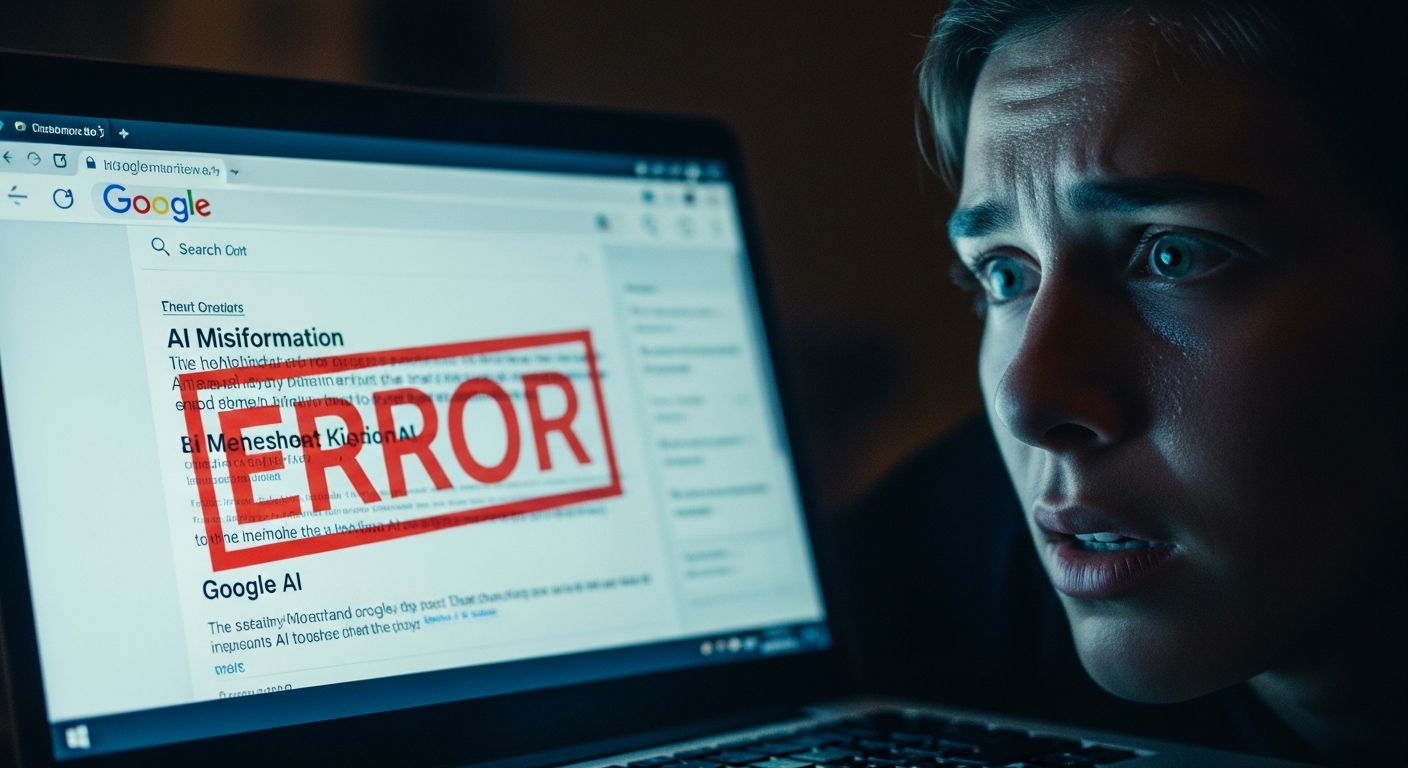
Ashley MacIsaac, a Canadian musician, found himself in a troubling situation when Google’s AI overview incorrectly labeled him as a sex offender, leading to canceled performances and potential career damage.
The Incident and Its Impact
According to The Globe and Mail, event organizers at the Sipekne’katik First Nation canceled MacIsaac’s upcoming performance after viewing Google’s AI-generated summary that erroneously identified him as a sex offender. The AI had apparently confused the musician with another individual who shares the same name.
“Google screwed up, and it put me in a dangerous situation,” MacIsaac told the paper, highlighting the significant professional consequences of this error. Beyond the canceled event, the musician expressed concern about how many other potential gigs and audience members might have been influenced by this false information.
Response from Involved Parties
After discovering the mistake, the Sipekne’katik First Nation issued a formal apology to MacIsaac, acknowledging that the situation “was the result of mistaken identity caused by an AI error, not a reflection of who you are.” They also extended a future welcome to the musician.
Google, for its part, responded by stating that “search, including AI Overviews is dynamic and frequently changing” and that they use such incidents to “improve our systems.” However, this response doesn’t address the immediate harm caused to MacIsaac’s reputation.
The Broader Implications
This incident raises serious questions about accountability in AI-generated content. As MacIsaac correctly points out, reputational damage is extremely difficult to repair, and there’s no way to track how far the misinformation spread before being corrected.
The case highlights a critical problem with AI summaries that prioritize speed and convenience over accuracy. When corporations deploy flawed AI systems that produce harmful misinformation, the question remains: who bears responsibility for the resulting damage?
Key Takeaways
- Google’s AI summary incorrectly labeled Canadian musician Ashley MacIsaac as a sex offender
- The error resulted in canceled performances and potential widespread reputational damage
- The incident demonstrates the real-world consequences of AI mistakes
- Questions about accountability and responsibility for AI errors remain largely unanswered
- The musician advised people to regularly check their online presence for similar errors
This case serves as a sobering reminder of AI’s limitations and the very real consequences that can occur when automated systems make mistakes with personal information.

GIPHY App Key not set. Please check settings