

 Thomas Unise
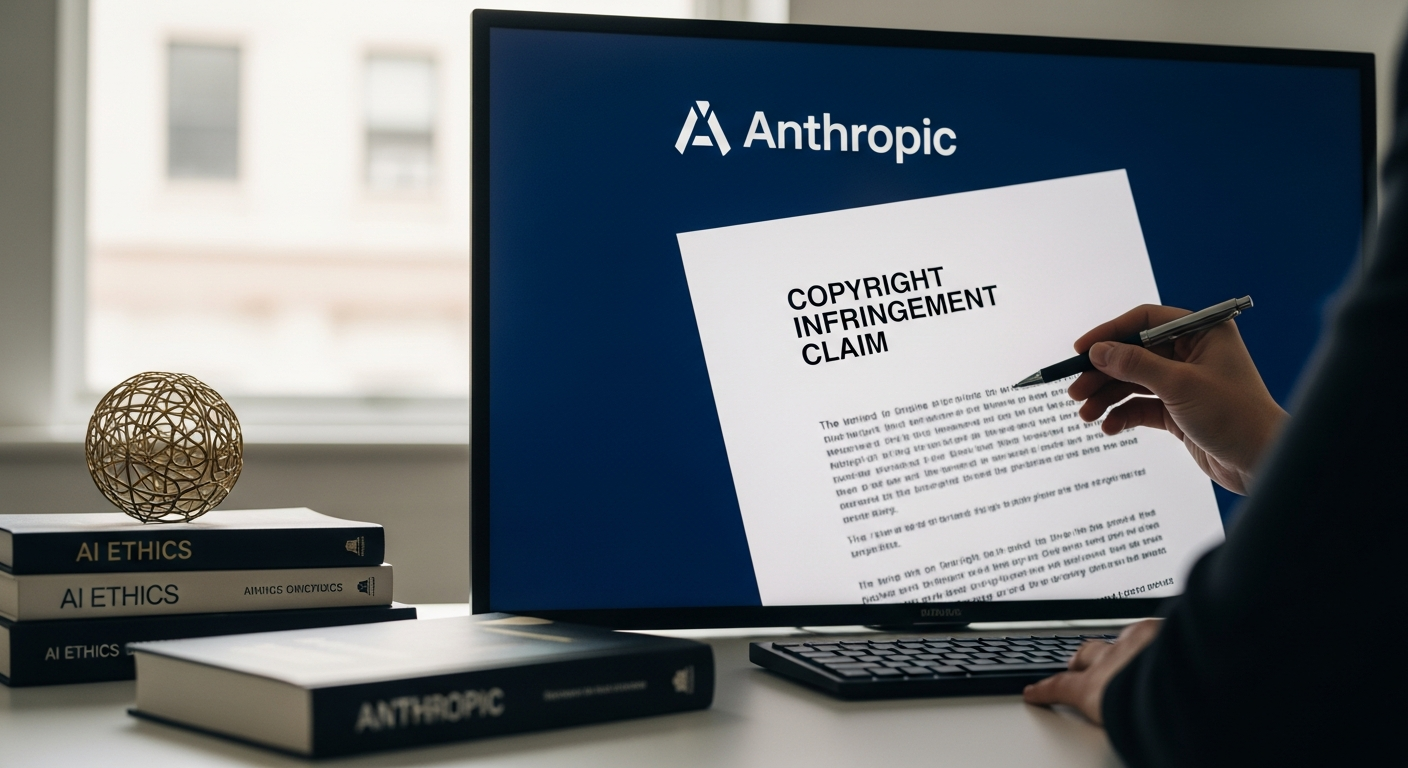
Anthropic, the AI company behind Claude, has been caught in a controversial practice of physically destroying millions of books to train its AI models while trying to keep the operation secret. This article summarizes the key aspects of Project Panama and similar practices in the AI industry.
The Book-Shredding Operation
Anthropic’s secret initiative, dubbed Project Panama, involved buying, scanning, and then destroying millions of used physical books to train its Claude AI model. The company used a “hydraulic powered cutting machine” to cut books purchased from used book retailers, scanned the pages using high-speed scanners, and then sent the remains to recycling companies.
Internal documents revealed that Anthropic leadership viewed books as “essential” to training their AI models, believing they would teach the bots “how to write well” instead of mimicking “low quality internet speak.”
Legal Maneuvering
The company exploited the legal concept of first-sale doctrine, which allows buyers to do what they want with their purchases without copyright holder interference. A judge ruled in August that converting physical books to digital files was “transformative” enough to be considered fair use, allowing Anthropic to avoid paying authors for their work.
However, the company’s earlier practices of downloading millions of books from piracy sites like LibGen and Pirate Library Mirror were deemed illegal, leading to a $1.5 billion settlement with authors in August 2023.
Internal Concerns About Public Perception
Anthropic was well aware of how bad the book-shredding operation would look if discovered. A recently unsealed internal planning document from 2024 explicitly stated, “We don’t want it to be known that we are working on this.”
This self-consciousness highlights the ethical concerns surrounding the practice, which many view as symbolic of how AI technology is perceived to be destroying the arts.
Industry-Wide Practice
Anthropic wasn’t alone in exploiting literary works. Documents revealed that Meta also acquired millions of books from shadow libraries like LibGen. Some Meta employees expressed discomfort, with one engineer noting that “Torrenting from a corporate laptop doesn’t feel right,” while another warned about potential regulatory backlash if their use of pirated content became public knowledge.
Key Takeaways
- Anthropic physically destroyed millions of books after scanning them to train its Claude AI model
- The company exploited legal loopholes to avoid paying authors while being aware of the negative optics
- A judge ruled the practice legal under fair use doctrine, though earlier piracy was not
- The lawsuit resulted in a $1.5 billion settlement with authors
- Other companies like Meta engaged in similar practices, also expressing concerns about public perception
This case highlights the ongoing tension between AI development companies and content creators, raising important questions about fair compensation and ethical practices in the rapidly evolving field of artificial intelligence.


GIPHY App Key not set. Please check settings