

 Thomas Unise
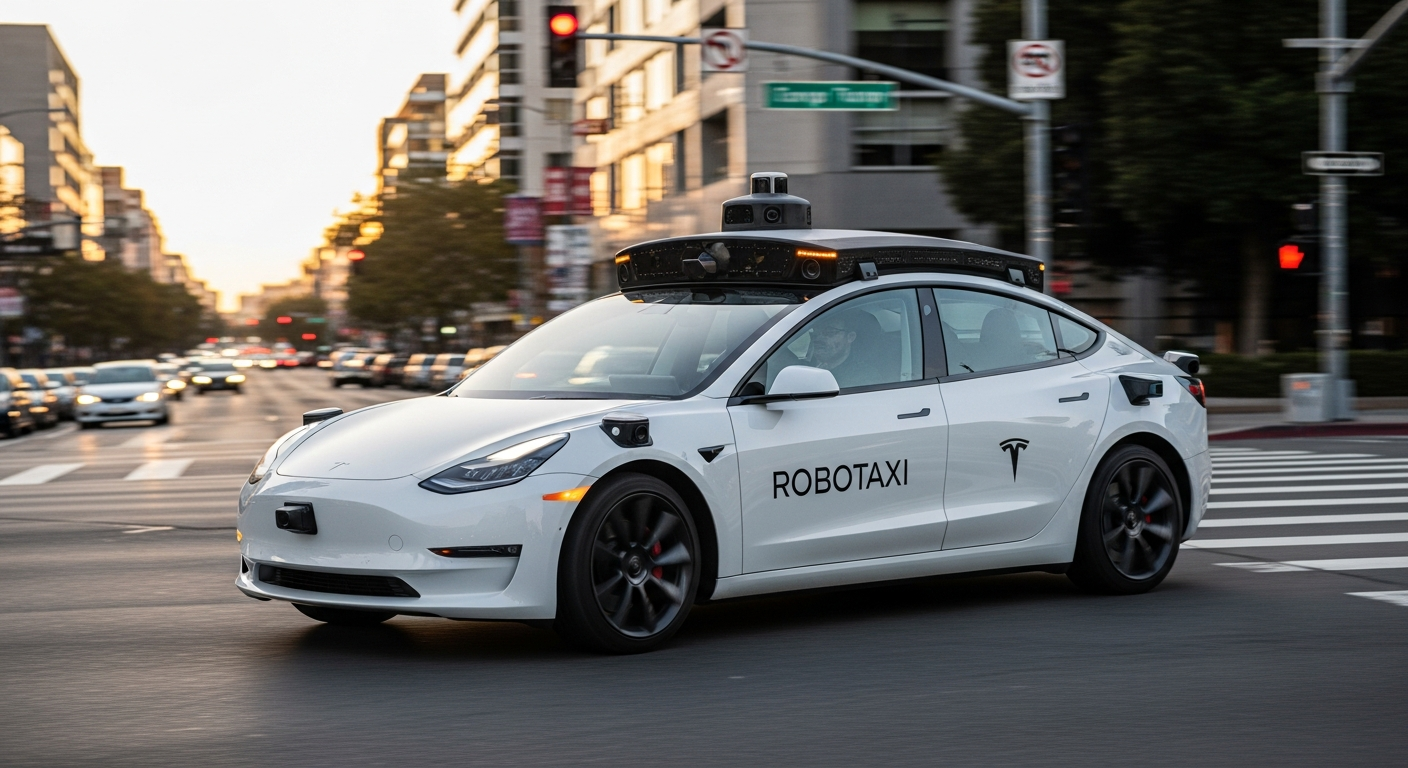
Tesla’s Robotaxi service is experiencing a concerning safety record, with crash rates significantly exceeding both human drivers and competitors like Waymo, according to an analysis of National Highway Traffic Safety Administration (NHTSA) filings.
Key Safety Concerns with Tesla’s Robotaxi Service
Tesla has reported 14 collisions since launching its Robotaxi service in Austin, Texas last June. Five of these crashes occurred between December 2025 and January 2026, including collisions with fixed objects, a bus, a truck, and two incidents where vehicles backed into poles or trees.
Based on mileage data from Tesla’s Q4 2025 earnings report, Electrek estimates the Robotaxi fleet accumulated approximately 800,000 miles by mid-January. This translates to one crash every 57,000 miles—four times worse than the average American driver, who experiences a minor collision every 229,000 miles according to Tesla’s own Vehicle Safety Report.
Comparison to Competitors
The safety record appears even more problematic when compared to Waymo, Tesla’s main competitor in the autonomous vehicle space. Waymo averages an accident approximately every 98,000 miles across over 127 million fully driverless miles—a significantly better safety record than Tesla’s Robotaxis.
Several factors make this comparison even more unfavorable for Tesla:
- Waymo operates over 2,000 robotaxis compared to Tesla’s fleet of fewer than 50
- Waymo serves several major US cities while Tesla operates in a limited area of Austin
- Waymo vehicles are fully driverless without human safety monitors
Reporting and Transparency Issues
The NHTSA filings also revealed concerning practices regarding Tesla’s crash reporting. The company revised a July 2025 crash report nearly six months after the incident, changing it from


GIPHY App Key not set. Please check settings