

 Thomas Unise
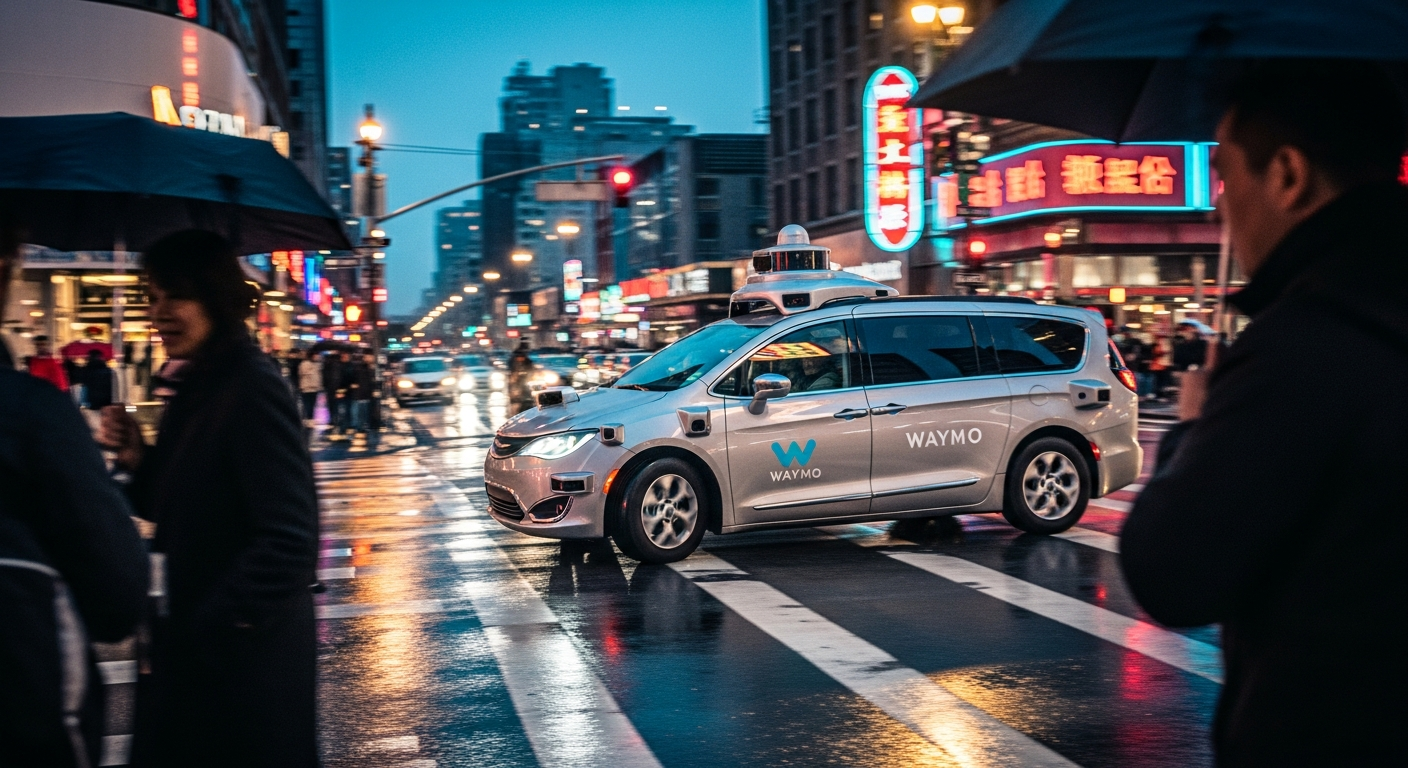
Waymo’s autonomous vehicle service hit another roadblock recently, with the company suspending operations in the San Francisco Bay Area due to severe weather conditions, just days after a city power outage caused significant disruption to its fleet.
Recent Disruptions Highlight System Limitations
On Thursday, Waymo temporarily paused its robotaxi service in the Bay Area in anticipation of a storm that prompted a National Weather Service flash flood warning. This precautionary measure came shortly after a more troubling incident in which a power outage left Waymo vehicles stranded and seemingly confused at intersections throughout San Francisco.
During the power outage, the autonomous vehicles appeared unable to navigate intersections without functioning traffic lights. Videos captured multiple robotaxis idling in roadways, blocking traffic and even other Waymo vehicles. In one particularly striking example, at least five Waymo cars became stuck at a single intersection.
Growing Concerns About Autonomous Vehicle Readiness
Waymo has operated fully autonomous rides in San Francisco since early 2024, with approximately 800 robotaxis serving the area. While the company maintains an impressive safety record overall, these recent incidents have intensified existing concerns about the technology’s limitations.
Local complaints about the vehicles have escalated, particularly after one of the robotaxis struck and killed a neighborhood cat last month. Other documented issues include:
- Vehicles driving on the wrong side of the road
- Cars getting stuck in roundabouts
- Robotaxis driving through active police operations
- Vehicles becoming immobilized during parades
These incidents reveal that despite technological advances, autonomous vehicles still struggle with unusual road scenarios common in urban environments.
Questions About Urban Integration
While Waymo cannot be held responsible for the power outage itself, critics note that the company seemingly failed to program contingency measures for such foreseeable disruptions. This has prompted questions about the appropriate deployment scale for autonomous vehicles in complex urban settings.
Jeffrey Tumlin, former CEO of San Francisco’s Municipal Transit Authority, raised this concern directly, questioning “what is a reasonable number of [autonomous vehicles] to have on city streets, by time of day, by geography and weather?”
Looking Forward
As autonomous vehicle technology continues to develop, these incidents highlight the gap between current capabilities and the complex realities of urban driving environments. Weather events, power outages, and other unexpected scenarios remain challenging for even the most advanced self-driving systems, raising important questions about deployment strategies and necessary safeguards as the technology evolves.


GIPHY App Key not set. Please check settings