

 Thomas Unise
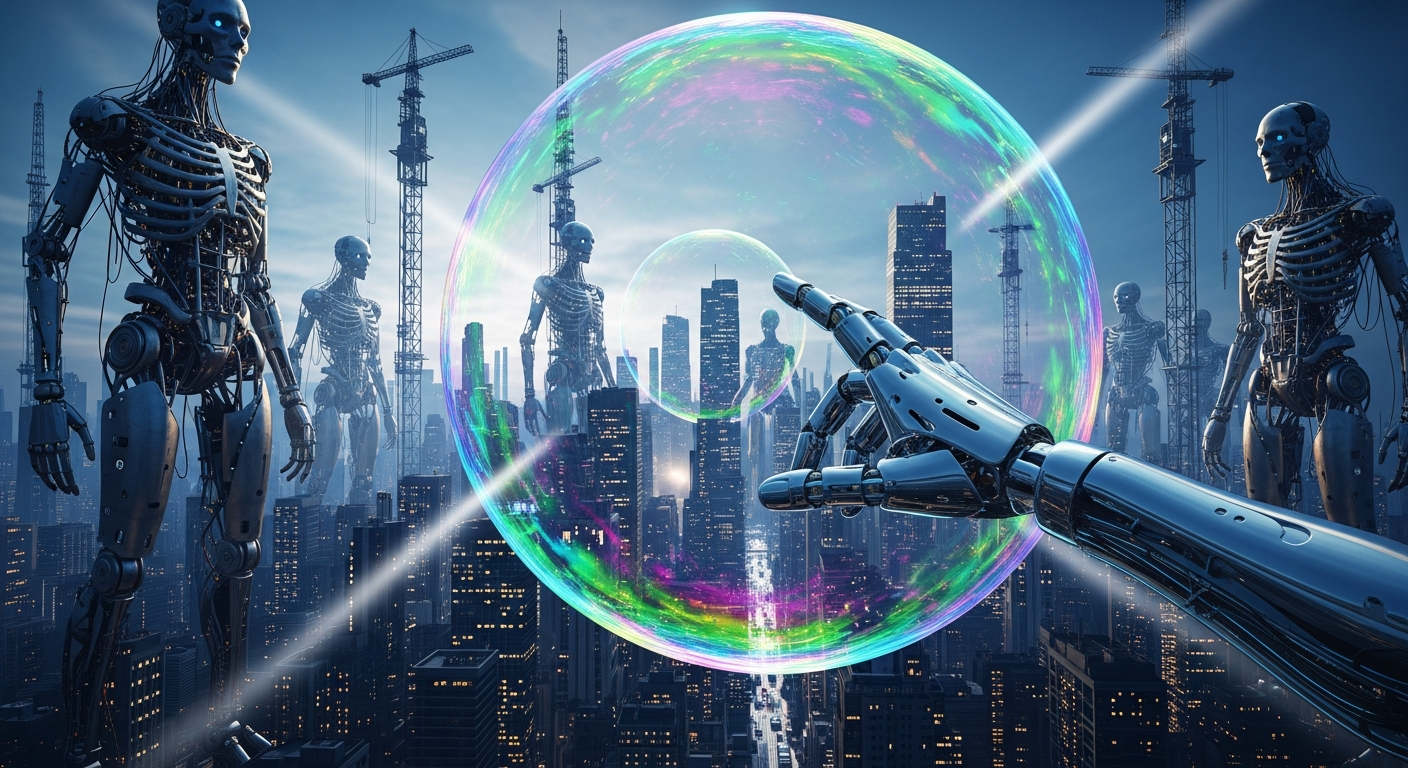
Despite billions in investment and viral videos of dancing robots, a venture capitalist is warning that humanoid robotics could be the next financial bubble, with technical limitations still far outpacing the marketing hype.
The Humanoid Robot Investment Surge
Investors have poured billions into humanoid robots with expectations they’ll transform various sectors from domestic labor to factory work. This investment enthusiasm has been particularly fueled by advances in AI that have given humanoids commercial potential previously thought impossible.
According to CB Insights, AI captured over 50% of the $95 billion in venture capital funding in Q3 2023, with industrial humanoid robotics securing 17 business deals during this period.
Expert Warnings Emerge
Daiva Rakauskaitė, partner at Aneli Capital, cautions that investors should remain disciplined and support companies with realistic economic goals rather than those riding the hype wave. She emphasizes that startups should focus on early revenue streams through licensing and partnerships.
China’s National Development and Reform Commission has similarly warned about a bubble forming in robotics, noting that startups are creating too many similar robots, potentially diverting funds from crucial research.
Rodney Brooks, the Roomba inventor and robotics pioneer, has been particularly vocal, suggesting that current investment levels are wasteful given that humanoid robots still face significant technical challenges with:
- Hand dexterity
- Walking stability
- Safety concerns
- Reliability issues
Brooks predicts: “We’re going to go through a big hype, and then there’s going to be a trough of disappointment” – a warning underscored by Roomba maker iRobot’s recent bankruptcy filing.
Technical Reality vs. Marketing Hype
The CB Insights report highlights fundamental challenges limiting humanoid robot applications, including:
- Inference capabilities
- Dexterity limitations
- Reliability concerns
- Cost barriers
These issues currently restrict humanoid robots to structured environments like factories and warehouses with predictable, controlled tasks – far from the versatile helpers portrayed in marketing materials.
The Future Outlook
The disconnect between current technical capabilities and investor expectations raises serious questions about the sector’s future. Once the investment froth settles, will we see practical humanoid robots working effectively in factories, or will many of these highly-funded projects end up as expensive vaporware?
As AI continues driving innovation in robotics, the coming years will reveal whether these warnings about a humanoid robot investment bubble were prescient or overly cautious.


GIPHY App Key not set. Please check settings