

 Thomas Unise
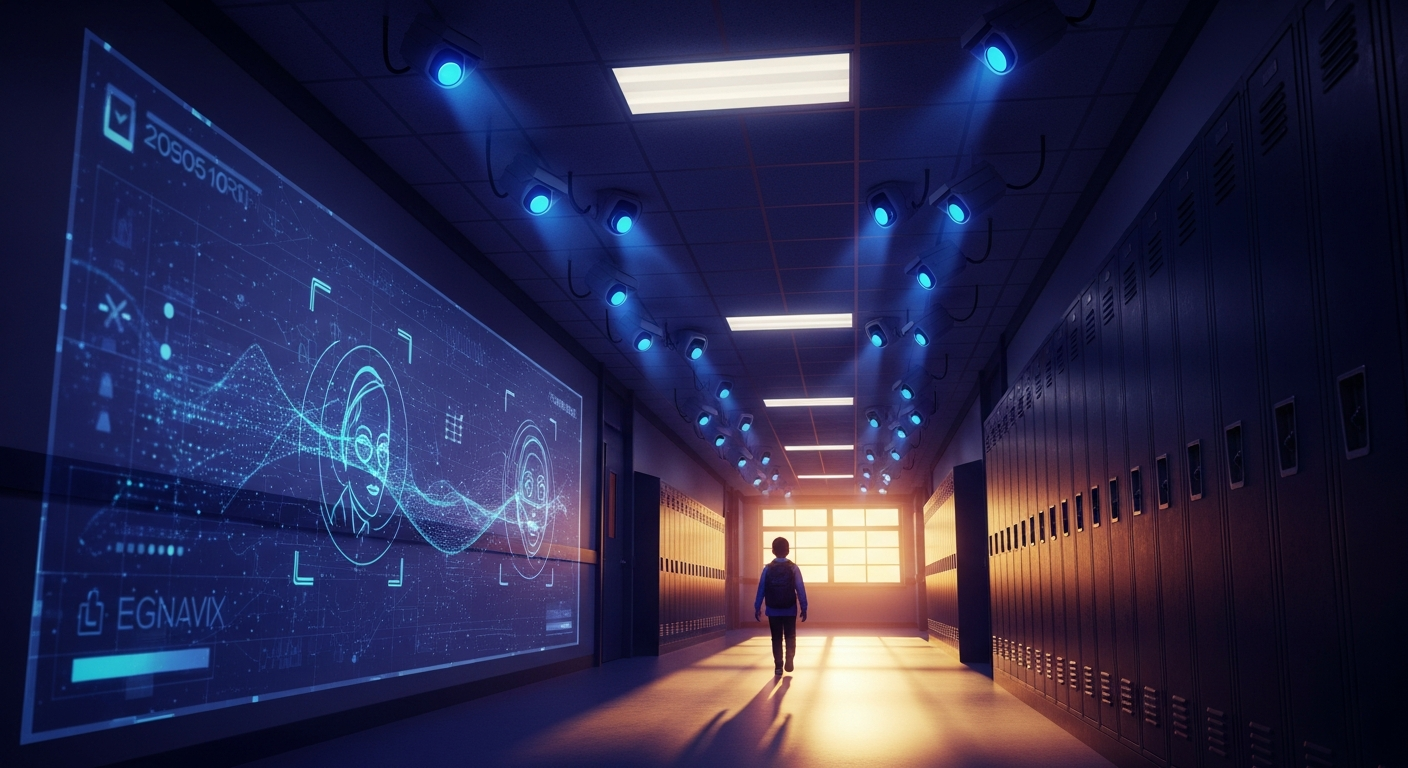
Beverly Hills High School is implementing extensive AI surveillance systems, raising serious concerns about student privacy and the effectiveness of such technology in preventing violence.
The Expanding Surveillance Network
According to recent Forbes reporting, Beverly Hills High School has deployed a comprehensive surveillance system that includes video drones, behavioral analysis AI cameras, license plate readers, and even audio capture devices in bathrooms. The district has allocated $4.8 million for security in the 2024-2025 fiscal year alone.
District Superintendent Alex Cherniss defended these measures, stating that the community wants whatever can be done to make schools safer, especially given Beverly Hills’ high-profile status. He claims the system identifies “multiple threats per day,” though specific details about these threats weren’t provided.
A Growing National Trend
Beverly Hills is not alone in this approach. Schools across North America are increasingly turning to AI surveillance tools to address concerns about school shootings and violence. However, this trend raises significant questions about effectiveness, false positives, and student privacy.
Concerning Incidents and False Alarms
The article highlights troubling incidents where AI surveillance systems have misidentified harmless objects as weapons:
- In Baltimore County Public Schools, an AI system mistook a bag of Doritos for a handgun, resulting in a 16-year-old student being detained at gunpoint
- A Florida middle school went into lockdown after a similar system misidentified a clarinet as a gun
Expert Skepticism
Experts question whether these surveillance systems actually improve safety. Chad Marlow from the ACLU noted that eight of the ten biggest school shootings since Columbine occurred in heavily surveilled schools. Additionally, ACLU research found that pervasive surveillance damages trust between students and staff, potentially making students less likely to report mental health issues or abuse.
Marlow emphasized that students don’t trust people they perceive as spying on them, which can rupture trust and potentially make schools less safe. More independent research is needed to determine if AI surveillance systems truly lead to safer outcomes for students.
The Privacy-Safety Balance
The article raises important questions about the balance between security measures and student privacy rights. While fear of school shootings is rational, the implementation of unregulated AI surveillance tools comes with its own costs to student well-being and civil liberties.
Despite these concerns, some school administrators appear willing to accept these trade-offs in pursuit of perceived safety benefits, even without clear evidence of effectiveness.

GIPHY App Key not set. Please check settings