

 Thomas Unise
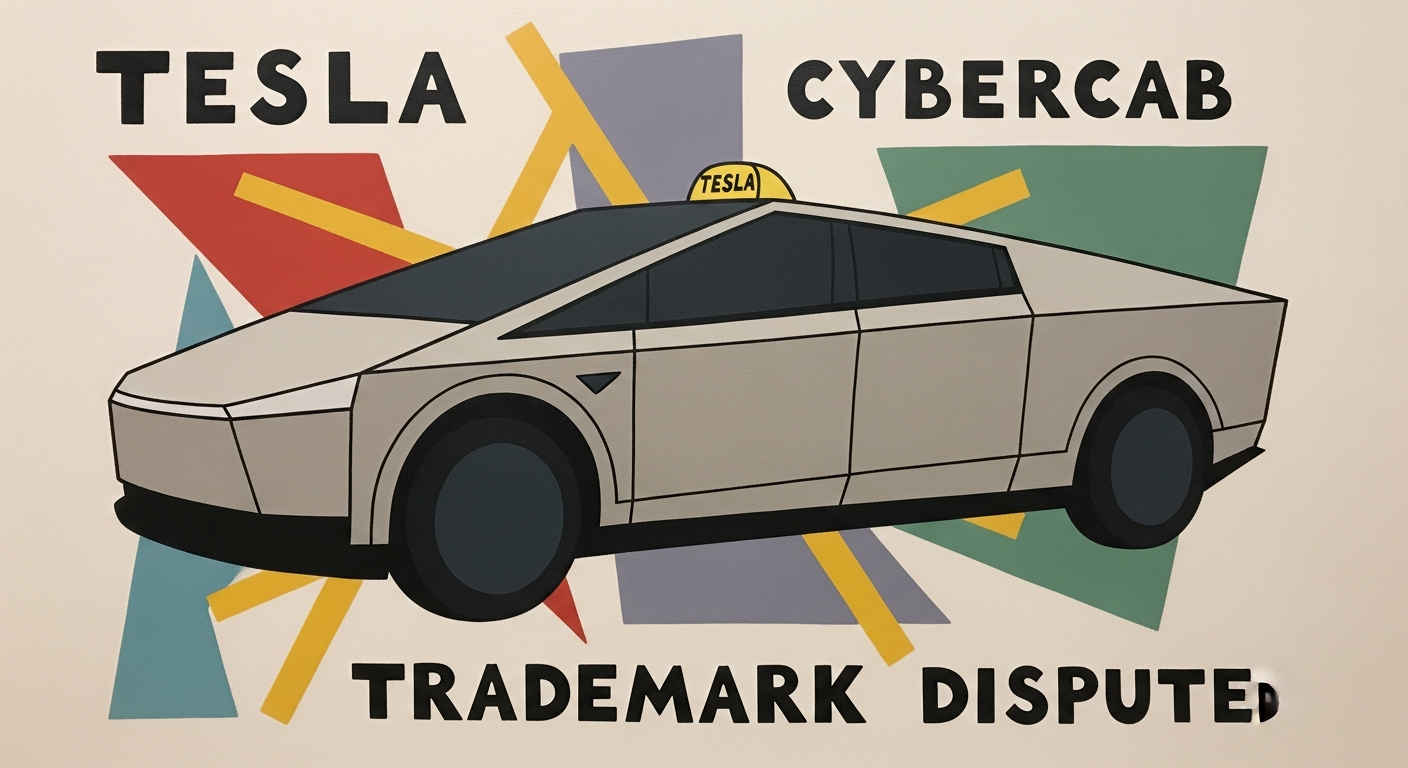
Tesla faces significant trademark issues with its self-driving vehicle initiatives, most notably losing the rights to the name ‘Cybercab’ due to delayed filing and competitive trademark squatting.
Tesla’s Cybercab Trademark Blunder
According to reporting from Electrek, Tesla’s attempt to trademark ‘Cybercab’ for its purpose-built driverless vehicle has been formally suspended as of November 14, 2025. The suspension came after French beverage company Unibev filed for the same trademark before Tesla, despite Tesla unveiling the product at its ‘We, Robot’ event on October 10, 2024.
The United States Patent and Trademark Office (USPTO) cited two primary reasons for the suspension: a ‘likelihood of confusion’ and the fact that Unibev had already claimed the name. What makes this situation particularly noteworthy is that Tesla waited until November to file its application – weeks after publicly revealing the product at a highly publicized event.
Pattern of Trademark Challenges
This isn’t Tesla’s first trademark setback. Last summer, the USPTO rejected Tesla’s application to trademark ‘Robotaxi,’ ruling the term was ‘merely descriptive’ since it’s commonly used by various companies to describe autonomous taxi services.
Unibev appears to have a history with Tesla, reportedly holding three trademarks for ‘TESLAQUILA’ in the US – the same name Tesla attempted to use for its own tequila product. This suggests a deliberate strategy of trademark squatting targeting Tesla’s brands.
Current Status and Implications
Tesla has already tried unsuccessfully to change the USPTO’s decision regarding the Cybercab trademark. According to sources familiar with the matter, Tesla and Unibev are currently in negotiations, though no agreement has been reached.
Tesla now faces limited options: reaching a deal with Unibev to drop its claim, challenging the trademark in court by arguing Unibev has no intention of building vehicles, or potentially rebranding its autonomous vehicle altogether.
The Cybercab Project
The Cybercab itself is Tesla’s specialized two-passenger vehicle designed for autonomous ride-hailing, featuring no steering wheel. Elon Musk has claimed production will begin in Q2 of this year, though this timeline remains uncertain given Musk’s history of optimistic projections.
Currently, Tesla’s limited Robotaxi service operates only in Austin, Texas, using modified Model Y vehicles rather than the purpose-built Cybercab.
Key Takeaways
- Tesla failed to secure the ‘Cybercab’ trademark before publicly unveiling the product
- French company Unibev filed for the trademark before Tesla could complete its application
- The USPTO suspended Tesla’s trademark application on November 14, 2025
- Tesla previously lost its attempt to trademark ‘Robotaxi’ for being too generic
- The companies are reportedly in negotiations to resolve the dispute
This situation highlights the importance of securing intellectual property rights before making public announcements, especially for high-profile products from major companies like Tesla.

GIPHY App Key not set. Please check settings