

 Thomas Unise
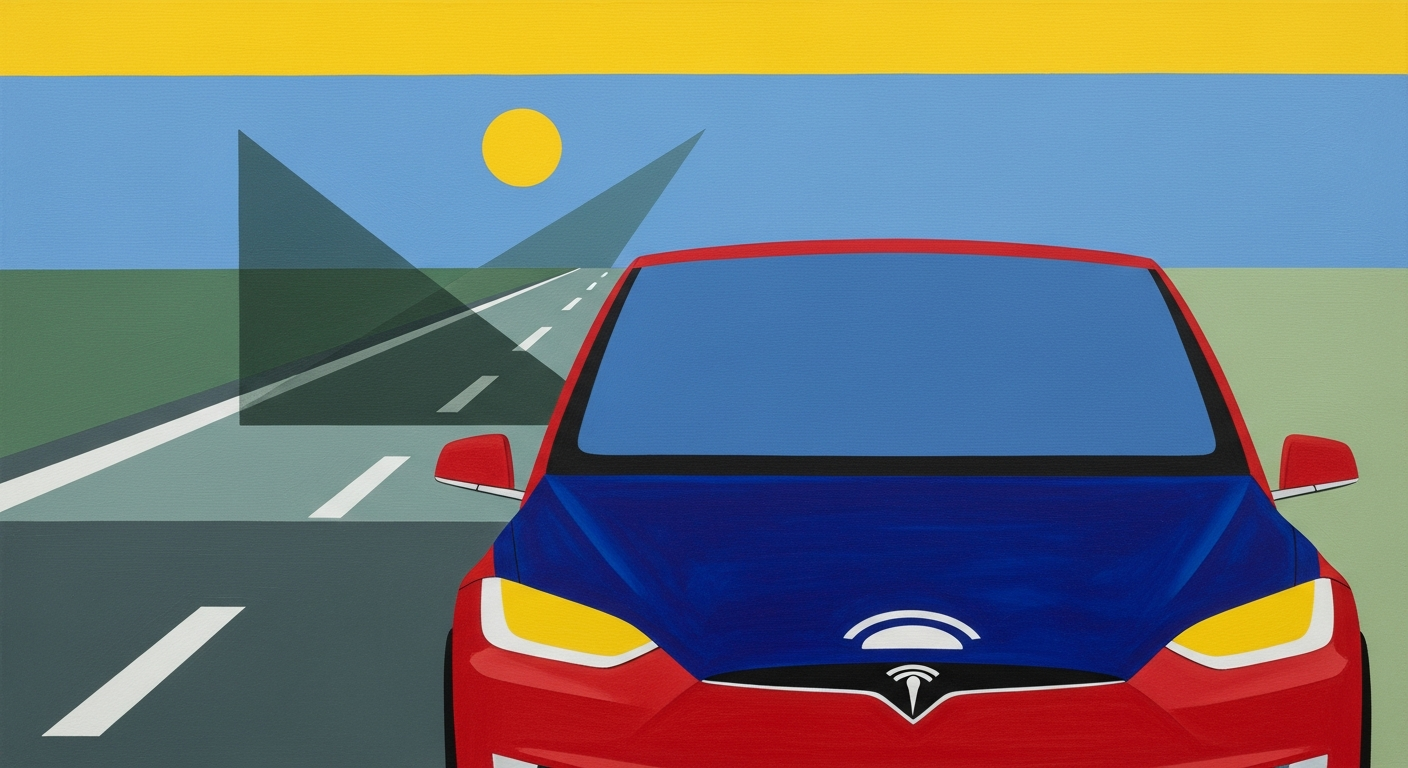
A man is suing Tesla and Elon Musk after his wife, two daughters, son-in-law, and family dog were killed when their Model X reportedly veered across the road and crashed into a tractor-trailer while using Tesla’s driver assistance features.
The Fatal Accident
According to the lawsuit, Jennifer Blaine was driving the Tesla Model X with the “Autosteer” feature engaged when the vehicle suddenly swerved into oncoming traffic on Idaho State Highway 33. The car collided with a semi-truck weighing 90,000 pounds, resulting in the deaths of all four family members and their dog at the scene.
Key Claims in the Lawsuit
Nathan Blaine, the plaintiff, alleges that Tesla and CEO Elon Musk “intentionally misrepresented the safety of their vehicles” and their driver assistance technologies. The lawsuit specifically targets:
- Tesla’s “Autosteer” feature, which should have kept the vehicle in its lane
- The car’s “lane departure warning” and “emergency lane departure avoidance” systems, which allegedly “defectively failed”
- Misleading marketing that created a “false sense of security” about the vehicle’s capabilities
Tesla’s Autonomous Driving Features
The lawsuit highlights the confusion around Tesla’s various driver assistance features:
- Autosteer – an enhanced cruise control that should keep the car in its lane
- Autopilot – a more advanced driver assistance system
- Full Self-Driving (FSD) – the most advanced option, which the Blaines had purchased
Despite their names suggesting high levels of automation, Tesla vehicles are only considered Level 2 autonomous (requiring constant human supervision) according to industry standards.
Regulatory Concerns
The lawsuit comes amid growing scrutiny of Tesla’s marketing practices:
- The National Transportation Safety Board has criticized FSD’s branding as “misleading”
- The California DMV has sued Tesla for false advertising related to its autonomous driving claims
- Critics point to Elon Musk’s repeated claims that Teslas can “drive themselves” despite technical limitations
The Family’s Position
The lawsuit contends that the Blaines were victims of “Tesla’s long-term advertising campaign designed to persuade the public that its vehicles were capable of driving themselves.” The family’s attorney stated: “Tesla’s done a lot of good things, in my calculation, but they did this inadequately. I think the technology is fantastic, but not the way Tesla is implementing it.”
This case highlights the ongoing concerns about the safety, marketing, and public understanding of advanced driver assistance systems as the automotive industry continues its push toward autonomous driving technology.


GIPHY App Key not set. Please check settings