

 Thomas Unise
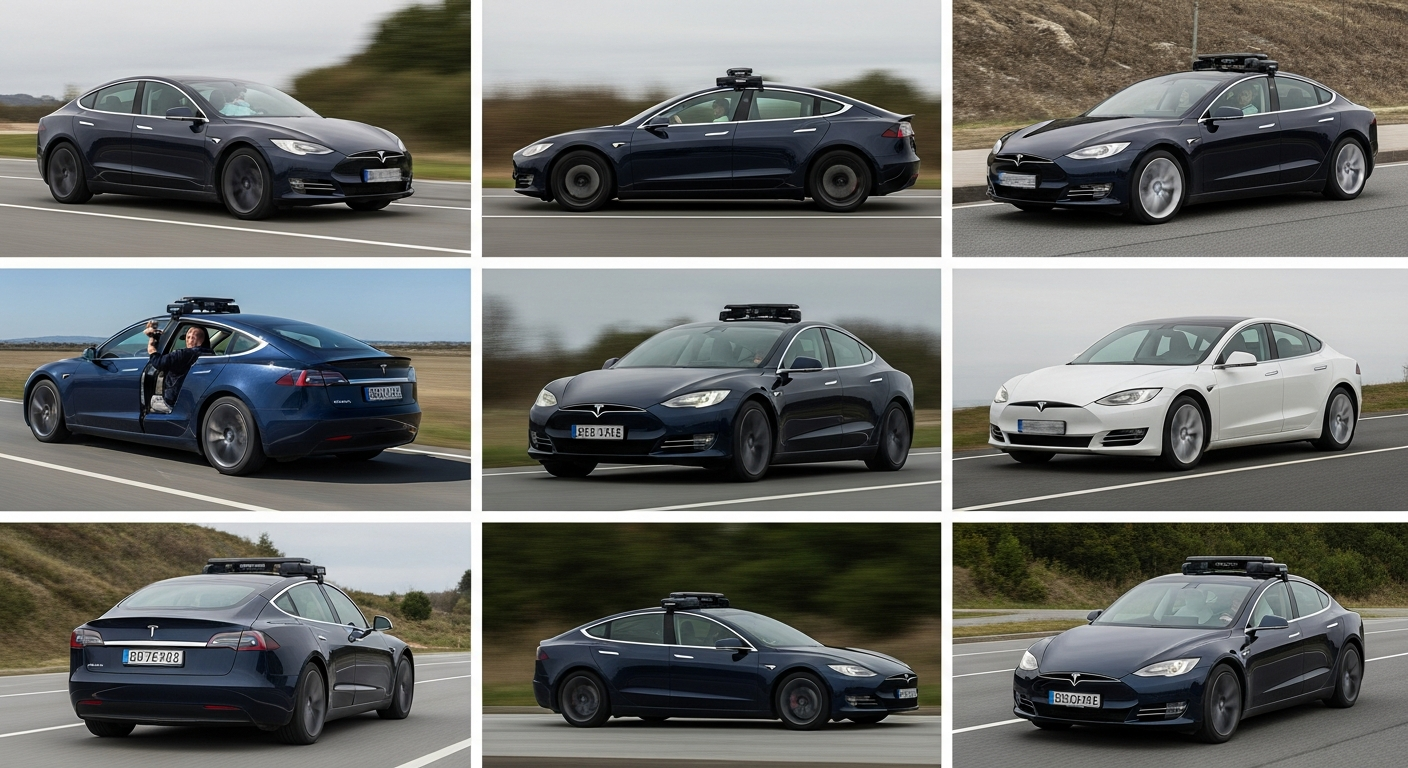
A recent incident involving Tesla’s Full Self-Driving (FSD) technology has sparked debate after a driver praised the system for supposedly saving his life, despite video evidence suggesting the maneuver was unnecessary and potentially dangerous.
The Incident and Driver’s Claim
A Tesla owner who goes by “The Electric Israeli” or “Dr. Moshe” shared footage on social media of his Tesla, operating in FSD mode, suddenly swerving off Interstate 95 in South Carolina. According to the driver, the car in front “braked hard suddenly” and the FSD system “veered to the left and got back safely on the road,” which he claimed saved his life.
What the Video Actually Shows
The video footage tells a different story:
- The Tesla was following an SUV at a reasonable distance
- When the SUV braked, neither the driver nor FSD appeared to react immediately
- Despite having ample time to slow down gradually, the Tesla braked late and veered off the road
- The car nearly entered the depressed center of the grass median
- The road ahead showed bumper-to-bumper traffic, suggesting both driver and system should have anticipated slowing vehicles
Transportation safety experts might question whether the dramatic swerve was necessary at all, as the Tesla appeared to have sufficient distance to brake without leaving the roadway.
Pattern of Blind Devotion
This incident reflects a pattern among some Tesla owners who praise the company’s technology even after questionable performance:
- A Cybertruck owner thanked Tesla for “engineering the best passive safety” after their vehicle crashed into a pole while using FSD
- A Model Y owner remained “insanely grateful” despite FSD failing to slow down before hitting a deer
These reactions come despite FSD being classified as a driving assistance feature, not autonomous driving software, and currently under investigation by federal regulators over safety concerns including reports of the system driving into the path of oncoming trains at railroad crossings.
Important Context
Despite its name, Tesla’s Full Self-Driving is not actually fully autonomous. It requires driver supervision and intervention, a fact that sometimes gets lost among enthusiastic owners. The technology continues to face scrutiny from safety regulators as incidents like these raise questions about its reliability and the appropriate level of driver trust.
This case highlights the ongoing tension between technological advancement in driving assistance systems and the reality of their current capabilities and limitations.

GIPHY App Key not set. Please check settings