

 Thomas Unise
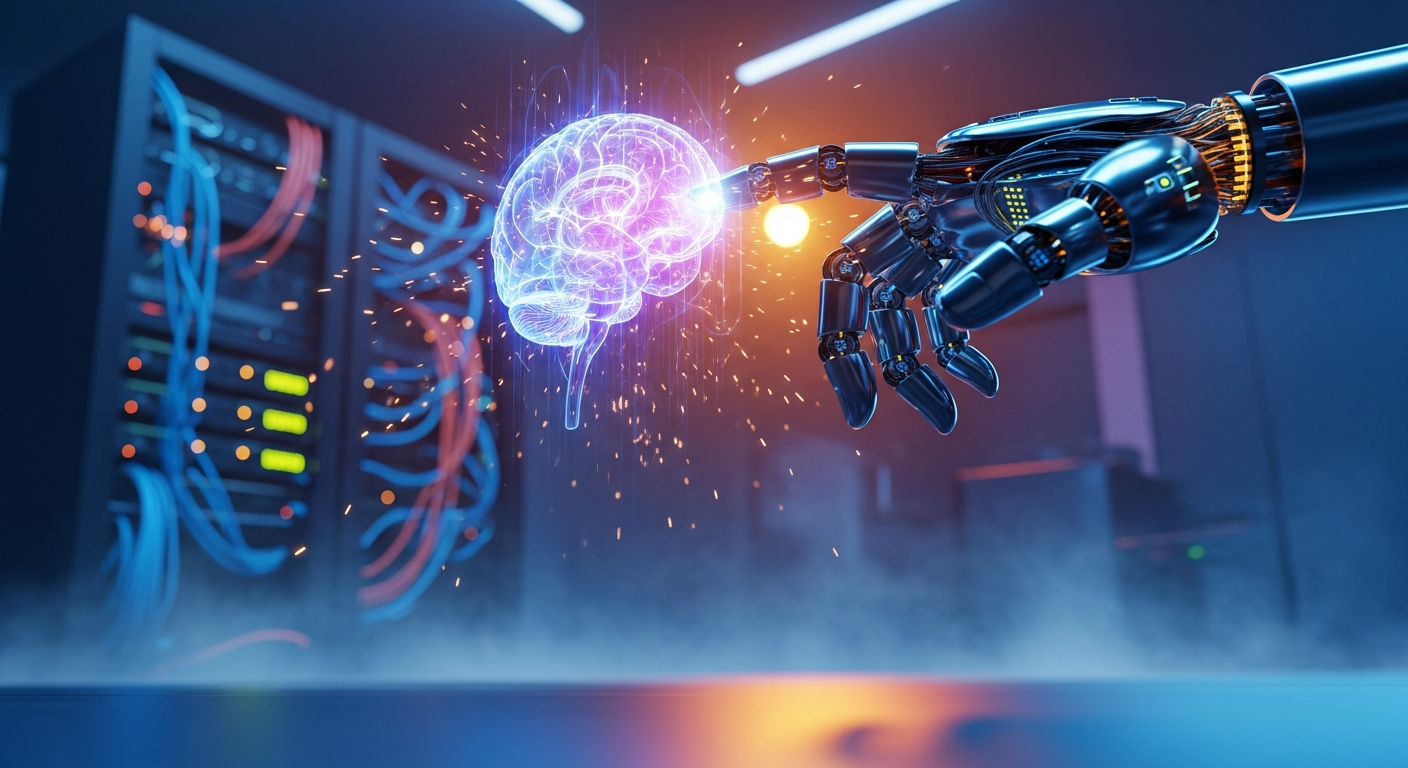
As OpenAI declares a “code red” to compete with Google, the AI landscape continues its rapid evolution. This article examines six key predictions for the technology sector in 2026, from potential workforce restructuring to the rise of robotics.
Data Center Disinformation Campaigns
While communities across the US are organizing against data center construction, there’s growing concern that foreign actors might exploit this movement. Though currently led by genuine US citizens, experts warn that China and Russia could leverage AI-generated content to amplify anti-data center sentiment, potentially hampering US progress in AI capabilities while advancing their own.
The Robot Revolution
2026 will likely see major tech conferences showcasing AI-powered robots with unprecedented capabilities. Companies like Google are integrating large language models into robots, enabling them to understand manuals, learn from videos, and interpret drawings. While these will primarily be demonstrations rather than market-ready products, they represent a significant step toward robots that can handle complex household tasks with minimal training.
The AI Bubble Correction
The AI industry may experience a market correction as companies reassess their rapid growth. OpenAI, which has grown to approximately 4,500 employees, might implement its first major layoffs to optimize its workforce structure. This could trigger similar moves across the industry. Meanwhile, companies like Discord, Stripe, and Databricks may attempt IPOs to capitalize on high valuations before a potential market downturn.
AI Training Through Workplace Surveillance
A concerning trend may emerge where companies deploy surveillance software to record employees’ work activities, using this data to train AI agents. While agentic AI is already being implemented for customer service, automating more complex tasks requires specific training data from real work environments. This raises significant privacy concerns and could intensify worker anxieties about job security.
Always-On AI Recording Tools
AI software that listens to video calls and other audio interactions has gained popularity, with services like Granola generating meeting notes without storing permanent recordings. However, these tools raise questions about digital etiquette and privacy laws, with potential legal challenges likely to emerge. While beneficial for accessibility purposes, these technologies will require stronger guardrails to address privacy concerns.
Robotaxi Expansion
Autonomous taxi services are set for major growth in 2026, with Waymo planning to provide over one million rides weekly and expand to approximately 25 cities globally. Despite the increase in robotaxi presence, major safety incidents caused by the technology itself are unlikely, as these systems are designed with extensive safety protocols and generally operate at conservative speeds.
As these technologies continue to develop, the industry will need to balance innovation with ethical considerations, privacy protections, and appropriate regulatory frameworks.



GIPHY App Key not set. Please check settings