

 Thomas Unise
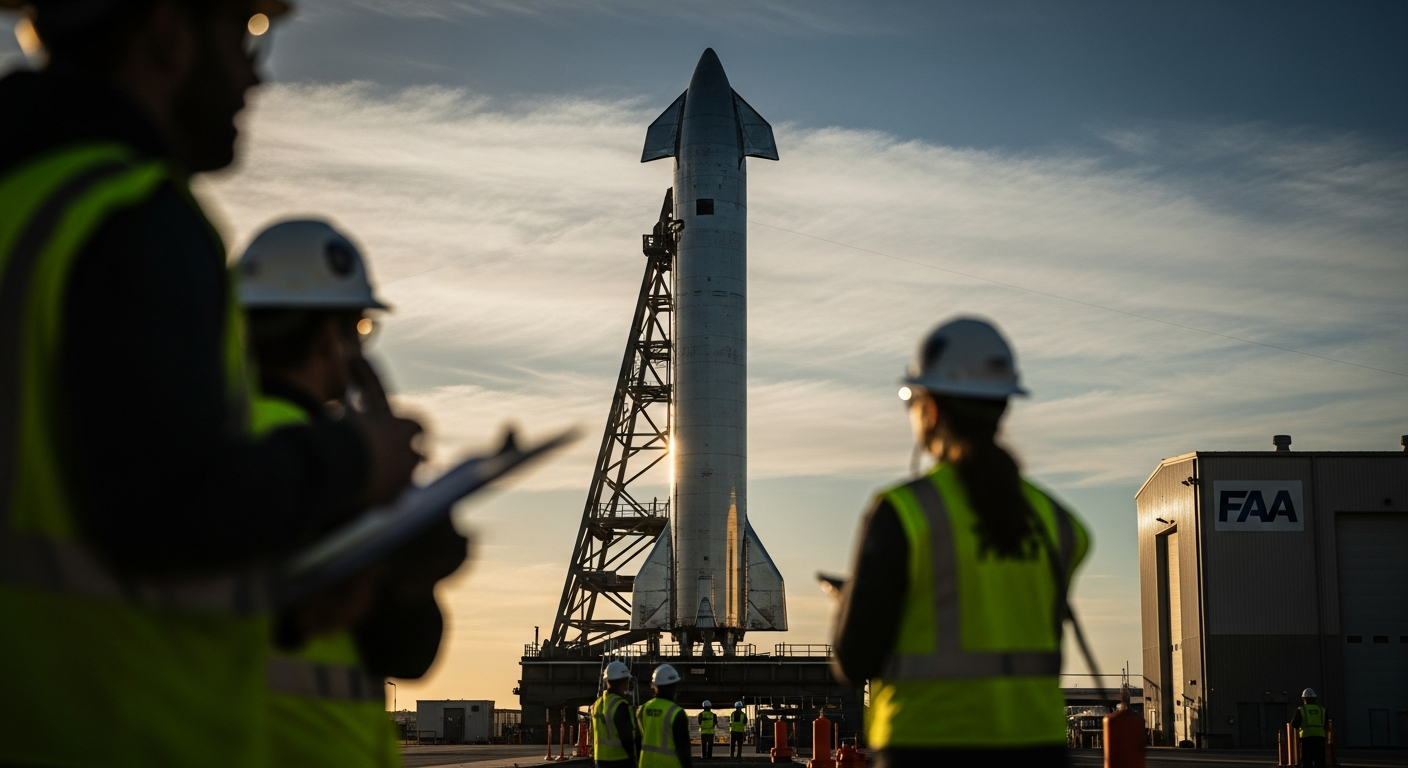
Recently revealed Federal Aviation Administration (FAA) documents indicate that SpaceX’s Starship rocket explosions posed greater risks to commercial aircraft than previously disclosed to the public, raising questions about safety protocols and regulatory oversight.
The Dangerous Aftermath of Starship Failures
According to Wall Street Journal reporting based on FAA documents, when SpaceX’s Starship prototype exploded mid-flight on January 16, the resulting debris field endangered three aircraft carrying approximately 450 people. The affected flights included a JetBlue passenger plane, an Iberia Airlines flight, and a private jet.
The documents reveal that air traffic controllers had to scramble to reroute these aircraft away from falling debris, creating what an FAA report described as a “potential extreme safety risk.” Controllers were reportedly caught off guard, with one stating they needed to “keep all aircraft clear of that area because of the debris.”
Communication Failures and Delayed Notifications
Critical communication breakdowns apparently occurred during the incident. SpaceX failed to promptly inform the FAA through its official hotline that the Starship had exploded. Pre-established no-fly debris zones were only activated four minutes after SpaceX lost contact with the vehicle, and the company didn’t confirm the loss to the FAA until 15 minutes later.
This delay potentially compromised the FAA’s ability to alert pilots and ensure their safety in a timely manner. A similar incident occurred again on February 24.
SpaceX’s Response and Ongoing Concerns
SpaceX has vehemently denied that anyone was ever in danger, calling the Wall Street Journal’s reporting “misleading” and claiming the journalists were “spoon-fed incomplete and misleading information from detractors with ulterior motives.”
The company maintains it is “committed to responsibly using airspace during launches and reentries, prioritizing public safety.” However, the WSJ report suggests the FAA suspended a safety review in August despite its own policies calling for addressing such risks.
The Bigger Picture
The reporting raises questions about whether Elon Musk’s considerable influence in Washington may have resulted in regulatory leniency. Meanwhile, SpaceX continues its iterative design approach for Starship, which has already led to numerous explosions.
The most recent test on October 13 was more successful, with the rocket reaching orbit before splashing down in the Indian Ocean. A more powerful version is expected to launch in early 2024.
Environmental Impact
Beyond aviation safety concerns, the explosions have had environmental consequences. Residents of Turks and Caicos discovered rocket debris washing up on their beaches following the January incident, contaminating otherwise pristine shorelines with burnt rubber and metal fragments.



GIPHY App Key not set. Please check settings