

 Thomas Unise
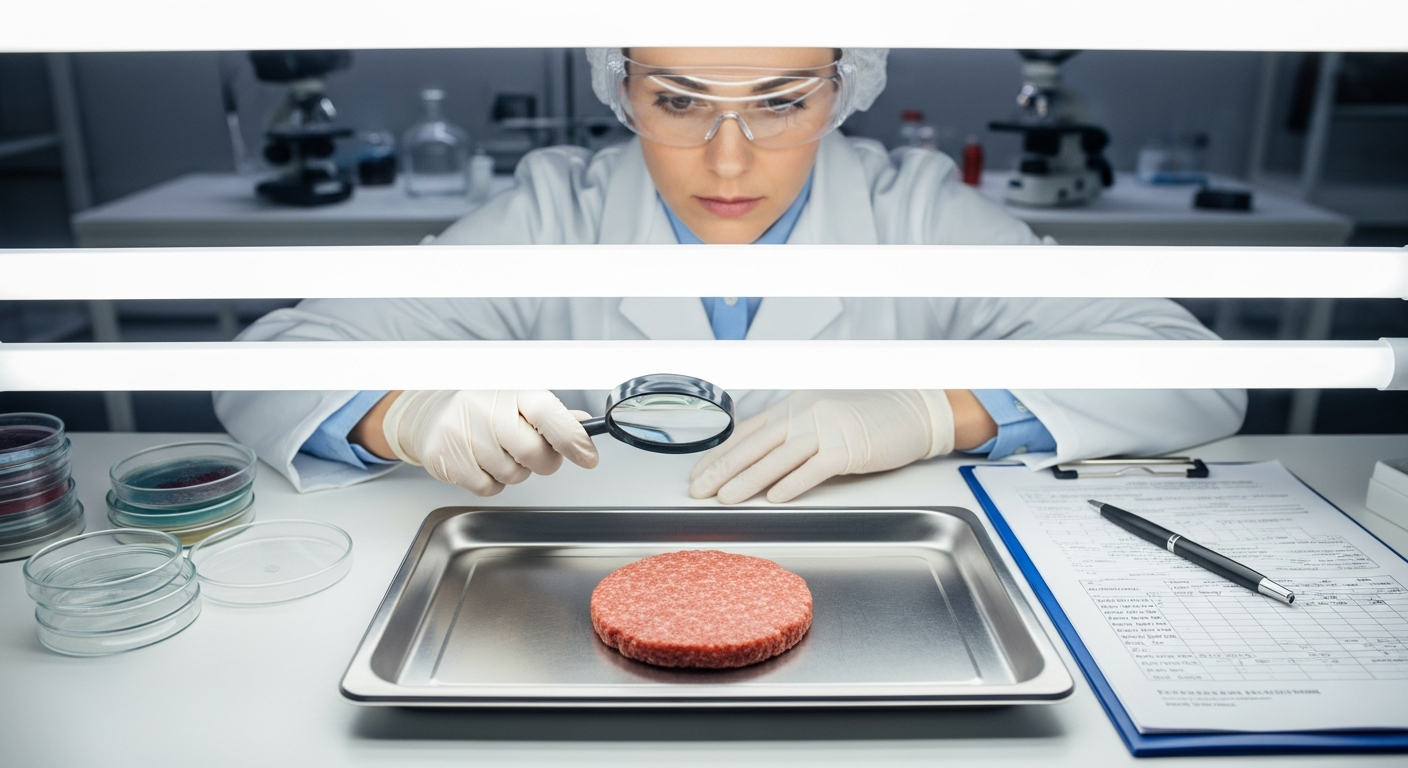
The cultivated meat industry is facing significant challenges, not due to product viability but primarily because of regulatory bottlenecks that are preventing companies from bringing their products to market.
Regulatory Roadblocks for Lab-Grown Meat
According to a recent analysis by Just Food, the majority of cultivated meat companies are struggling to obtain necessary regulatory approvals from government food agencies. Despite initial investor enthusiasm and increasingly competitive pricing, many startups are being forced to close operations before their products can reach consumers.
Charlotte Lucas from the Good Food Institute Europe acknowledges that while company closures are disappointing, they’re not uncommon in innovative sectors. However, she points to “regulatory inefficiencies” and “unpredictable approval times” as critical barriers preventing companies from bringing products to market.
The Scale-Approval Paradox
Cultivated meat startups face a paradoxical situation: they need regulatory approval to scale commercially, but simultaneously require commercial scale to survive the lengthy and resource-intensive regulatory process.
Without approvals in major markets like Europe and North America, these companies can’t access the consumer base that has shown interest in alternative meats. Instead, they’re limited to niche restaurant industry buyers, with mixed results.
Production Challenges
Erika Georget, managing director of The Cultured Hub, highlights that scaling biomass production (the animal cells used in cultivated meat) is essential for success in the industry. Even companies that have received limited approvals for restaurant sales face challenges in producing sufficient quantities to serve retail businesses at acceptable costs.
Future Outlook
The article suggests that without clearer and faster pathways to regulatory approval, cultivated meat risks becoming a cautionary tale of urgently-needed innovation stifled by bureaucratic processes. The industry’s potential as an alternative to factory farming may remain unrealized unless regulatory frameworks evolve to accommodate this emerging food technology.



GIPHY App Key not set. Please check settings