

 Thomas Unise
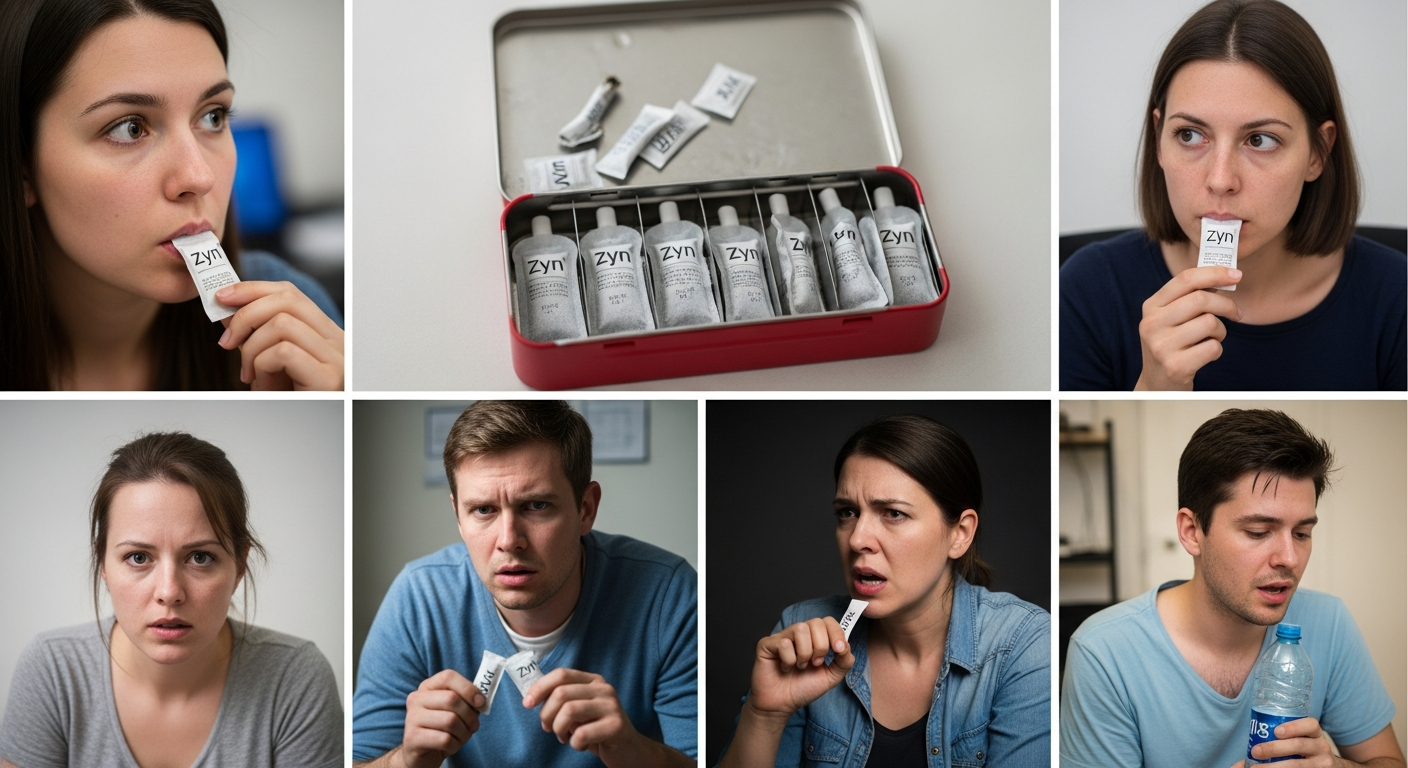
Nicotine pouches known as Zyns have surged in popularity, but quitting them can be unexpectedly difficult, as detailed in a recent GQ profile of writer Rosecrans Baldwin’s withdrawal experience.
The Rise of Zyn
Since Philip Morris International acquired the Swedish brand Zyn for $16 billion in 2022, consumption among teens and young adults has nearly quadrupled according to CDC Foundation research. These small nicotine pouches have become ubiquitous, appealing even to people who would never consider traditional tobacco products.
The Withdrawal Nightmare
Baldwin’s attempt to quit cold turkey after consuming one 15-pouch can per day resulted in severe withdrawal symptoms within just four hours, including:
- Dizziness and headaches
- Intense sweating
- Rapid heart rate
- Jaw clenching
- Hallucinations
These symptoms culminated in what he later recognized as a panic attack brought on by acute nicotine withdrawal. As Baldwin described it, “I was afraid I’d lost my mind.”
Potency Comparison
Zyn pouches in the US contain between 3mg and 6mg of nicotine. While cigarettes contain 10-12mg of nicotine, smokers typically absorb less than 2mg per cigarette. Nicotine pouches deliver the substance more efficiently through the mouth’s mucous membranes directly into blood vessels, potentially creating a stronger dependence.
The Path to Freedom
Baldwin’s initial attempt to quit failed, leading him back to cigarettes. His eventual success came through gradually reducing his intake over several months rather than stopping abruptly. This tapered approach finally freed him from what he described as a dependence that had “nicotine secreting into every waking moment for more than a year.”
Key Takeaway
The article serves as a cautionary tale about the addictive potential of nicotine pouches. Despite their clean, modern image and lack of tobacco, Zyns can create a powerful dependency that requires a careful, gradual approach to overcome.



GIPHY App Key not set. Please check settings