

 Thomas Unise
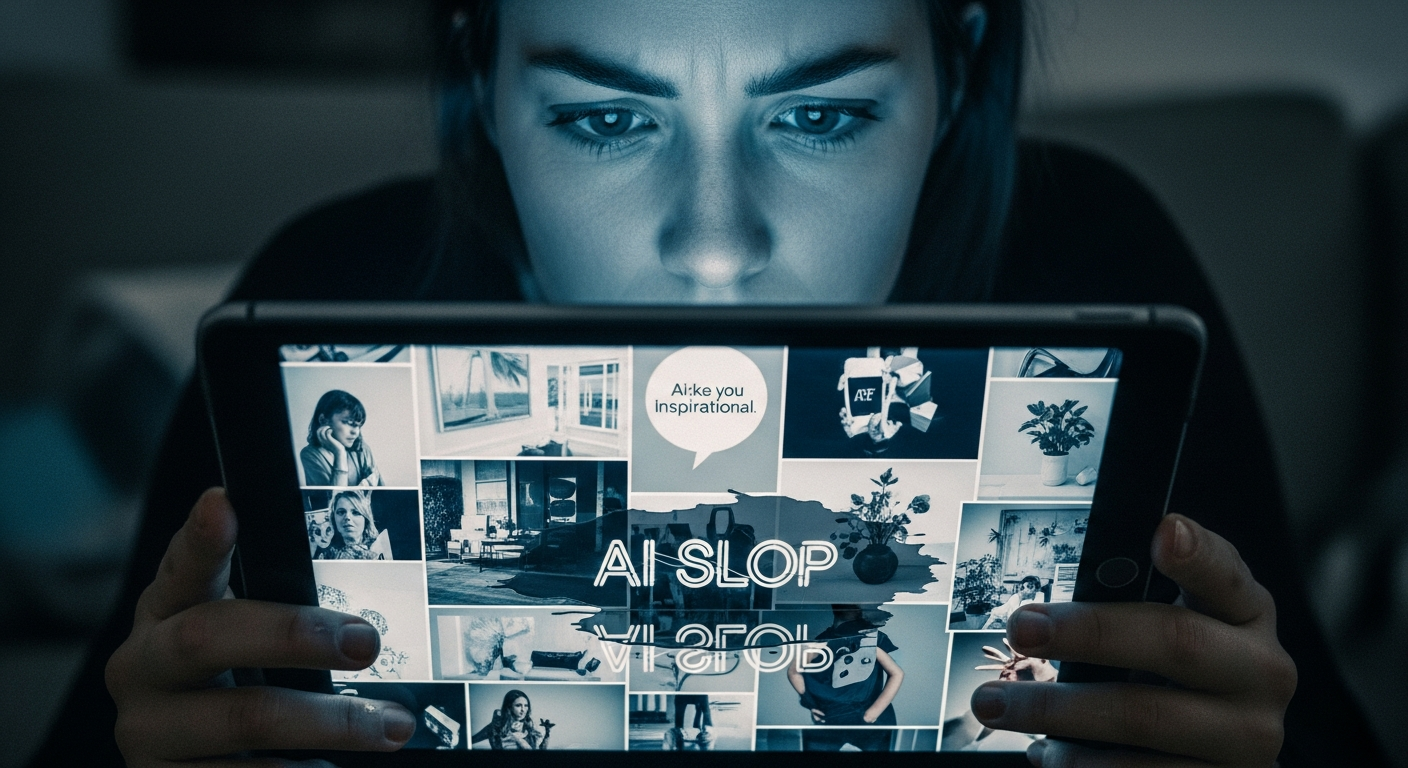
Pinterest users are increasingly frustrated with the flood of AI-generated content overwhelming the platform, transforming what was once a hub for authentic creative inspiration into what critics call a repository for “AI slop.”
The Rise of AI-Generated Content on Pinterest
Once celebrated as a “visual discovery engine” with a loyal community of creatives, Pinterest has shifted toward becoming an “AI-powered shopping assistant,” prioritizing monetization through increased advertising and AI-generated content. Users report encountering misleading recipes, physically impossible furniture designs, and suspicious online stores – all bearing the telltale signs of artificial creation.
The case of Caitlyn Jones exemplifies this growing problem. After finding a chicken recipe on Pinterest, Jones discovered it was created by “Souzan Thorne” – an AI-generated persona with a vague biography and unnaturally perfect photos. The recipe itself was poorly written (instructing users to “log” chicken into a slow cooker) and produced bland, watery results.
Why Pinterest Is Particularly Vulnerable
According to Alexios Mantzarlis, director of the Security, Trust, and Safety Initiative at Cornell Tech, Pinterest is especially susceptible to AI-generated content because:
- Its image-focused format makes it easier for AI to infiltrate compared to video-led platforms
- The platform funnels users toward external sites, which content farms can easily monetize
- Pinterest’s pivot toward shopping has increased ad presence dramatically (WIRED found over 40% of search results were ads)
This transformation represents what tech critic Cory Doctorow calls “enshittification” – the gradual decay of internet platforms due to profit-seeking at the expense of user experience.
The Ghost Store Problem
WIRED’s investigation revealed that many Pinterest ads lead to suspicious “ghost stores” – fake ecommerce sites featuring AI-generated personas, unrealistic discounts, and no physical addresses. These sites display hallmarks of scam operations, using generative AI to create more convincing fake storefronts than previously possible.
Henry Ajder, generative AI expert, explains that AI has made creating these deceptive campaigns “more realistic, less expensive, and more accessible,” leading to platform saturation with synthetic spam.
Impact on Real Creators
Human creators report being drowned out by the flood of AI content. Small business owners and artisans who once thrived on Pinterest now struggle to maintain visibility, with some reporting dramatic drops in engagement and page views. Many have found more success on platforms like Instagram or TikTok, where human connection still provides an advantage.
Pinterest’s Response
In response to user complaints, Pinterest has introduced measures including:
- “Gen AI Labels” that disclose when content is “AI modified” (though these only appear after clicking on a Pin)
- Tools allowing users to customize how much AI-generated content they see
However, these labels aren’t applied to ads, and WIRED found several AI-generated Pins without proper labeling.
The Future of Pinterest
Despite growing user numbers, Pinterest’s financial performance has disappointed investors, with shares dropping 20% after recent earnings reports. This suggests that the AI-focused strategy may not be delivering the expected benefits.
As one longtime user summarized the transformation: what was once a place of authentic inspiration has become “depressing,” with the platform prioritizing “consumerism, ad revenue, and non-human slop over the content that carries the entire premise of the site.”



GIPHY App Key not set. Please check settings