

 Thomas Unise
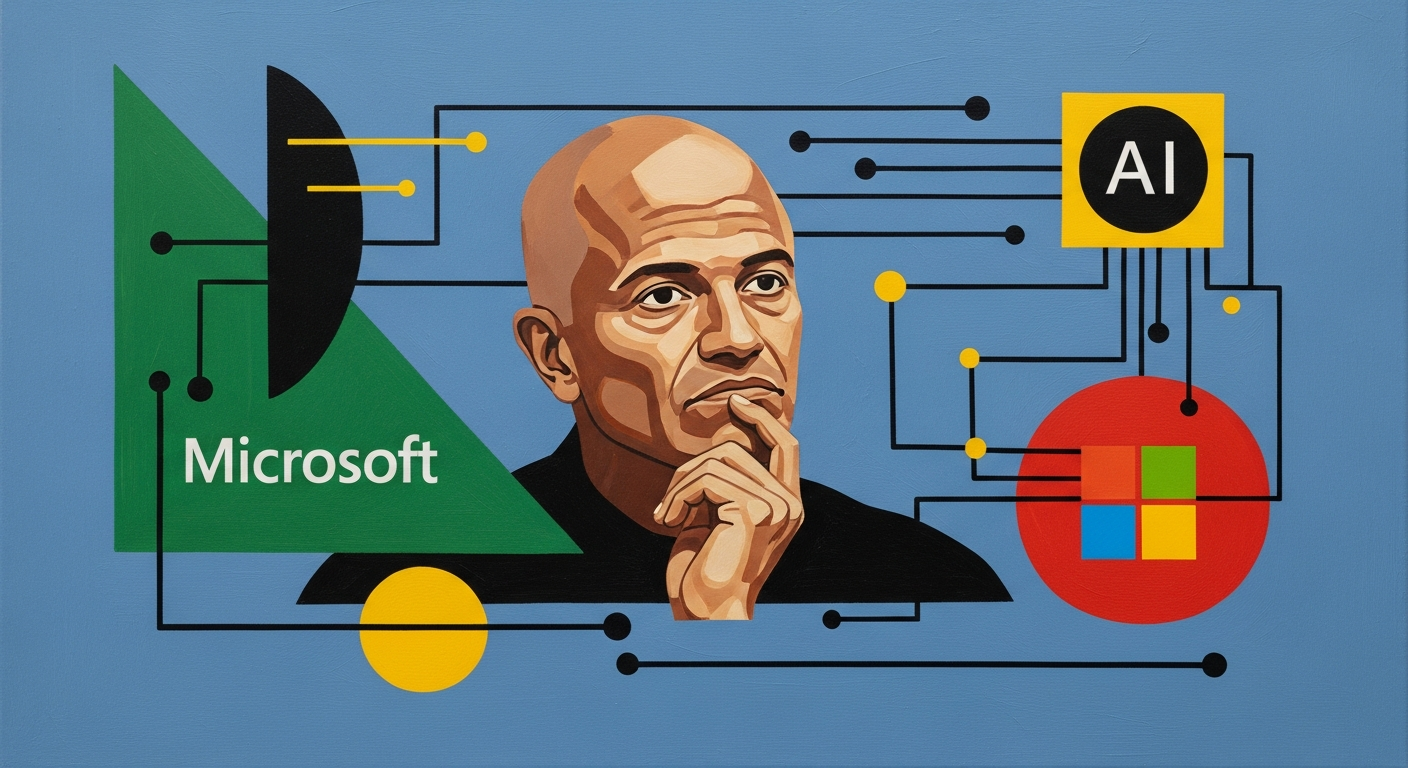
In a notable response to Merriam-Webster naming ‘slop’ as the 2025 word of the year, Microsoft CEO Satya Nadella expressed his desire to move past this characterization of AI-generated content.
The Rise of ‘Slop’ and Nadella’s Response
Merriam-Webster defined ‘slop’ as ‘digital content of low quality that is produced usually in quantity by means of artificial intelligence’ – a term that gained popularity amid growing concerns about AI-generated ads, declining search engine quality, and AI-generated content flooding various platforms.
In a LinkedIn post, Nadella argued that society needs to transcend the ‘slop vs sophistication’ debate and accept AI as the ‘new equilibrium’ of human nature. He suggested that we now understand enough about AI capabilities and limitations to extract real-world value from these technologies.
Consumer Resistance to AI Integration
Nadella’s comments come at a time when Microsoft faces significant resistance from users regarding its AI products. Reports indicate that approximately one billion PCs still run Windows 10, with half of these devices eligible for upgrading to the more AI-integrated Windows 11. This suggests a deliberate choice by many users to avoid Microsoft’s AI features.
The Tension Between Corporate Vision and Consumer Demand
The Microsoft CEO’s perspective highlights the fundamental tension between tech companies pushing AI integration and consumers who remain skeptical. Despite corporate messaging about altruism and human advancement, AI remains a product that ultimately depends on consumer acceptance.
While Nadella frames AI adoption as inevitable progress, the widespread reluctance to embrace these technologies suggests a more complex reality where users are actively choosing to avoid what many perceive as unwanted or intrusive AI features.
Key Takeaways
- Merriam-Webster named ‘slop’ as 2025’s word of the year, describing low-quality AI-generated content
- Microsoft CEO Satya Nadella pushed back, urging acceptance of AI as a ‘new equilibrium’
- Approximately one billion PCs still run Windows 10 despite Windows 11’s availability, showing resistance to AI integration
- There’s a growing disconnect between tech companies’ AI vision and actual consumer preferences
- Despite corporate messaging, AI adoption ultimately depends on consumer demand
The debate over AI-generated content quality and its place in our digital ecosystem continues to evolve as both companies and consumers navigate this rapidly changing technological landscape.


GIPHY App Key not set. Please check settings