

 Thomas Unise
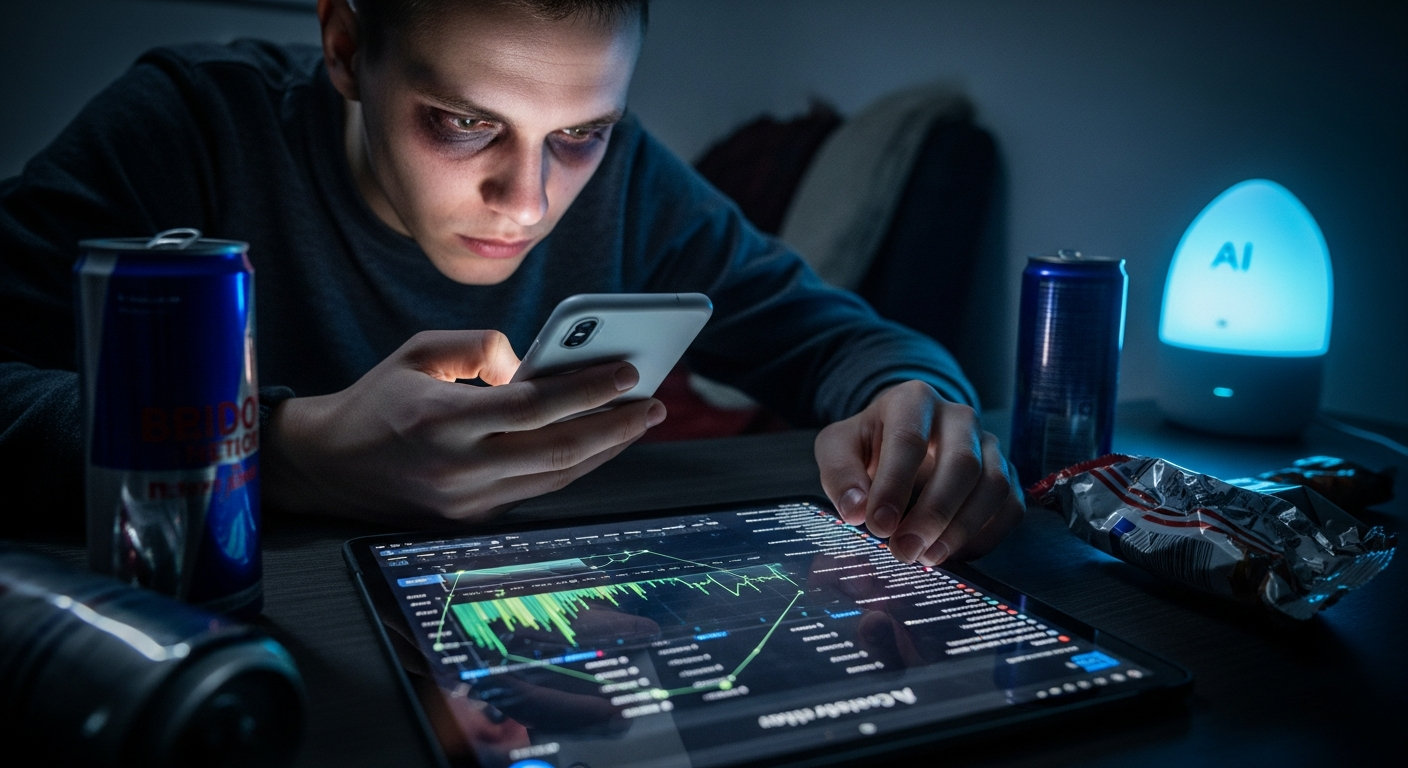
In a revealing personal essay published in Newsweek, former AI startup UX head Caitlin Ner details her harrowing experience with AI-induced mental health deterioration, highlighting the psychological dangers of prolonged exposure to generative AI systems.
The Descent from Magic to Mania
Ner’s journey began innocuously at an AI image generator startup where she spent approximately nine hours daily interacting with early generative AI systems. What initially felt like “magic” quickly evolved into something more sinister. Within months, the constant exposure to AI-generated imagery began distorting her perception of reality and overstimulating her brain in harmful ways.
Even as the technology improved its anatomical accuracy, a new problem emerged: the AI consistently produced images of impossibly beautiful, unrealistically proportioned figures. This constant exposure gradually rewired Ner’s sense of normal, creating a disconnect between digital perfection and her real-world reflection.
The Breaking Point
The situation escalated when Ner began experimenting with AI-generated images of herself as a fashion model—a company directive aimed at attracting fashion-interested users. She developed an unhealthy obsession with her digital counterpart, yearning to match the perfection of her AI-generated self. The addictive nature of generating these images, each providing small dopamine bursts, led to sleep deprivation and intensifying obsession.
Despite previously managing her bipolar disorder successfully, this digital addiction triggered a manic episode that spiraled into psychosis. In one particularly dangerous moment, after seeing an AI-generated image of herself riding a flying horse, she began to believe she could actually fly—nearly resulting in a suicide attempt from her balcony.
Recovery and Perspective
Fortunately, Ner recognized the danger and reached out for help. Professional intervention helped her understand that her work with AI had triggered her mental health crisis, leading her to leave the startup. She now views her experience not as a coincidental intersection of mental illness and technology but as a form of digital addiction resulting from months of intensive AI image generation.
Ner has since transitioned to a director role at PsyMed Ventures, a venture capital fund focused on mental and brain health investments. Interestingly, many of PsyMed’s portfolio companies incorporate AI tools, which Ner continues to use—albeit with newfound caution and respect for their psychological impact.
Broader Implications
Ner’s experience isn’t isolated. The article mentions a broader mental health crisis linked to AI, with users experiencing delusions, psychiatric commitments, and even suicide. Her story serves as a cautionary tale about the potentially destabilizing psychological effects of prolonged immersion in artificial realities, particularly for individuals with pre-existing mental health conditions.
As AI becomes increasingly integrated into daily life, Ner’s experience highlights the urgent need for greater awareness of its potential psychological impacts and the importance of establishing healthy boundaries with these powerful technologies.



GIPHY App Key not set. Please check settings