

 Thomas Unise
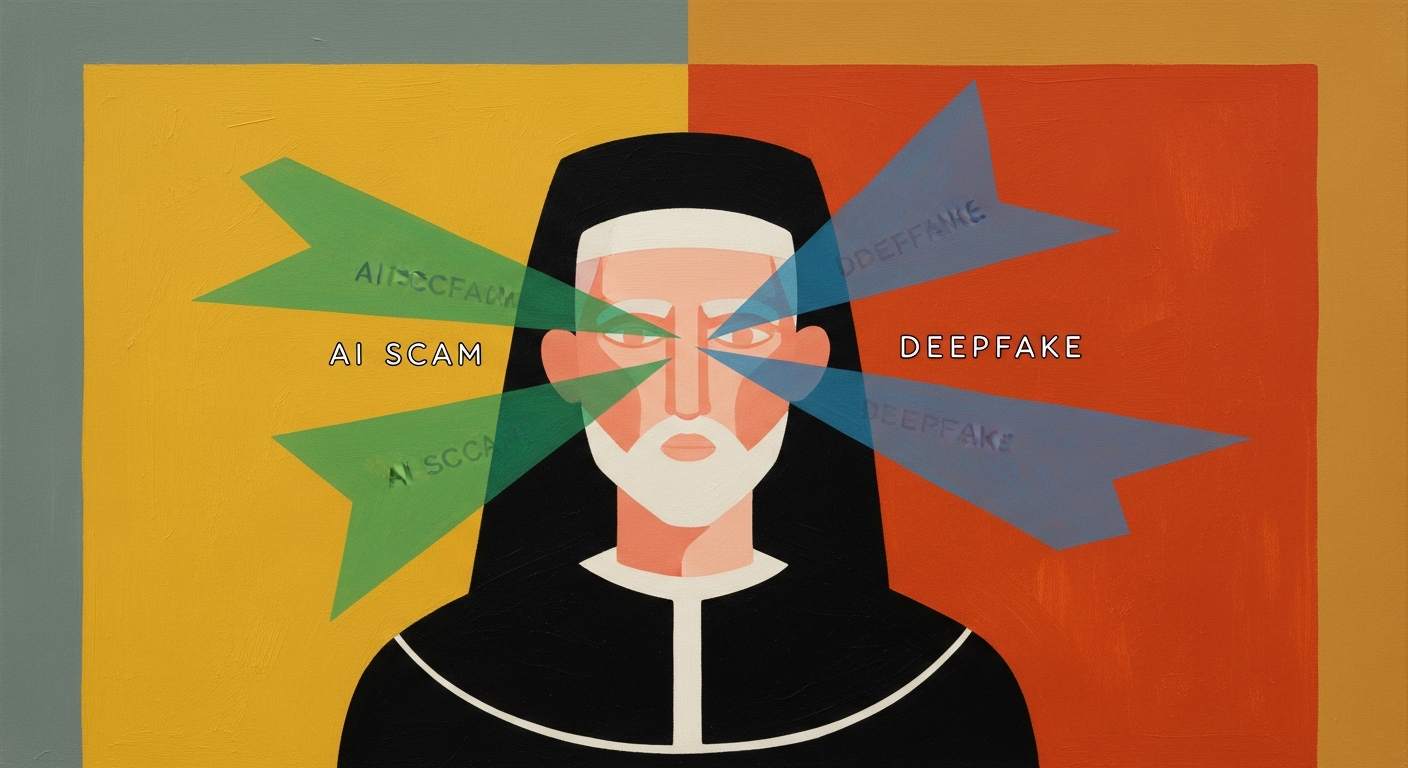
Father Mike Schmitz, a Catholic priest with over 1.2 million YouTube subscribers, recently warned his followers about AI-generated impersonation scams using his likeness. This growing trend of deepfakes targeting religious figures highlights a concerning intersection of technology, faith, and fraud.
The Rise of Religious Impersonation Scams
In November, Father Schmitz addressed his congregation about AI-generated videos falsely depicting him making unusual requests for money or prayers. “I can look at them and say ‘That’s ridiculous, I would never say that,'” Schmitz explained, “but people can’t necessarily tell. That’s a problem.”
According to cybersecurity expert Rachel Tobac, CEO of SocialProof Security, religious leaders have become prime targets for these scams. The phenomenon extends beyond Schmitz, with pastors and ministers across the country reporting similar impersonations through deepfake videos, direct messages, and phone calls.
Why Religious Leaders Are Targeted
Religious figures make ideal targets for several reasons:
- They often have large, trusting online followings
- Many legitimately solicit donations, making fraudulent requests seem plausible
- Their frequent appearances in livestreams and videos provide ample material for AI voice and image synthesis
- Their communities typically have high levels of trust in their leadership
The problem is compounded by social media platforms where impersonation accounts flourish. WIRED found more than 20 accounts on TikTok posing as Father Schmitz, who doesn’t maintain an official presence on the platform.
Beyond Scams: AI’s Broader Impact on Religion
Beyond financial scams, AI is creating other complex challenges for religious communities. Some TikTok accounts generate fictional pastors delivering unexpected or politically charged sermons that quickly go viral. One such video accumulated over 11 million views despite being completely AI-generated.
“We don’t know who’s creating this, we don’t know what their goals are, but it seems to be to try to influence the way that people think,” Tobac explained. The authority naturally granted to religious figures makes these synthetic sermons particularly influential.
Religious Communities Embracing AI
Interestingly, some religious organizations are embracing AI technology themselves. A 2025 report indicates that a majority of surveyed pastors already use tools like ChatGPT to help prepare sermons. Some churches have even showcased AI-generated videos of deceased figures speaking about religious topics, and chatbots purporting to allow users to communicate with religious figures are becoming increasingly common.
This adoption raises concerns among experts like Lucas Hansen, cofounder of AI education nonprofit CivAI, who worries about potential mental health consequences. “I think there might end up being a fair number of people that think that God is using AI as a tool to communicate with them,” Hansen warns.
A Cautious Approach
For those who have been impersonated without consent, like Father Schmitz, there’s understandable hesitation about embracing AI. Reflecting on science fiction depictions of technology, Schmitz expressed concern that rather than extending human capabilities, AI might ultimately diminish them: “It could be the case that by extending our humanity, we cease knowing how to do things.”
As AI technology continues to advance, religious communities face the dual challenge of protecting their leaders from impersonation while thoughtfully considering how to integrate these powerful tools into their practices.



GIPHY App Key not set. Please check settings