

 Thomas Unise
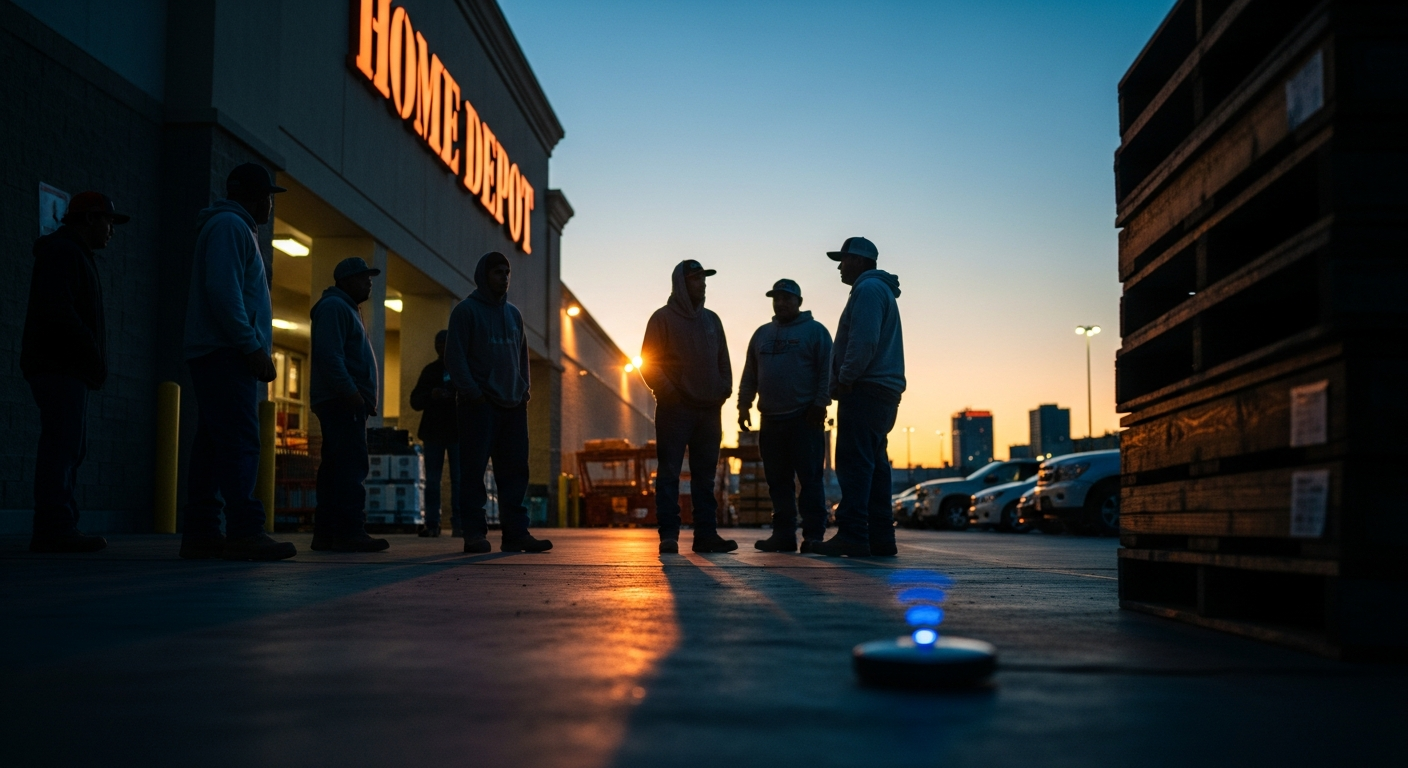
Home Depot has deployed high-pitched noise machines at its Cypress Park location in Los Angeles, reportedly causing migrant day laborers to suffer headaches and nausea. This controversial measure has sparked outrage among advocacy groups and local officials.
Key Points of the Controversy
The Instituto de Educacion Popular del Sur de California (Idepsca), an advocacy group for migrant workers, has called for the removal of three sonic devices installed at the Home Depot location. Day laborers commonly gather outside home improvement stores to find work opportunities, purchase materials, and arrange transportation to job sites as part of the informal gig economy.
Los Angeles city councilwoman Eunisses Hernandes condemned the practice, stating that “They chose to weaponize sound” and describing the devices as instruments of “torture against our people.” One affected worker told The Guardian that the sound “penetrates your bones,” forcing him to wear earplugs while waiting for work.
The councilwoman also noted that the California Department of Transportation (Caltrans) has begun using similar devices on public property, arguing that “The people’s land is being used to torture the people.”
Broader Context and Implications
The deployment of these sonic devices bears resemblance to sound-based crowd control methods used by law enforcement during protests, such as the Ferguson uprising in 2014 and the Dakota Access Pipeline protests in 2016. These “sound cannons” are designed to repel people from spaces using high-amplitude noise that causes discomfort.
The timing of Home Depot’s initiative is particularly notable as it coincides with increased Immigration and Customs Enforcement (ICE) raids targeting Latino workers. While Home Depot has remained silent about these raids occurring on their property, their implementation of sonic deterrents suggests a possible attempt to distance themselves from the situation.
When asked to comment, Home Depot claimed the devices are a “safety initiative” intended to prevent “illegal overnight parking” and denied any connection to immigration enforcement activities.
Conclusion
This situation highlights the ongoing tensions surrounding immigration, labor, and corporate responsibility. The use of sonic devices against vulnerable workers seeking employment raises serious ethical questions about how businesses respond to the presence of day laborers and the methods they employ to control access to their property.



GIPHY App Key not set. Please check settings