

 Thomas Unise
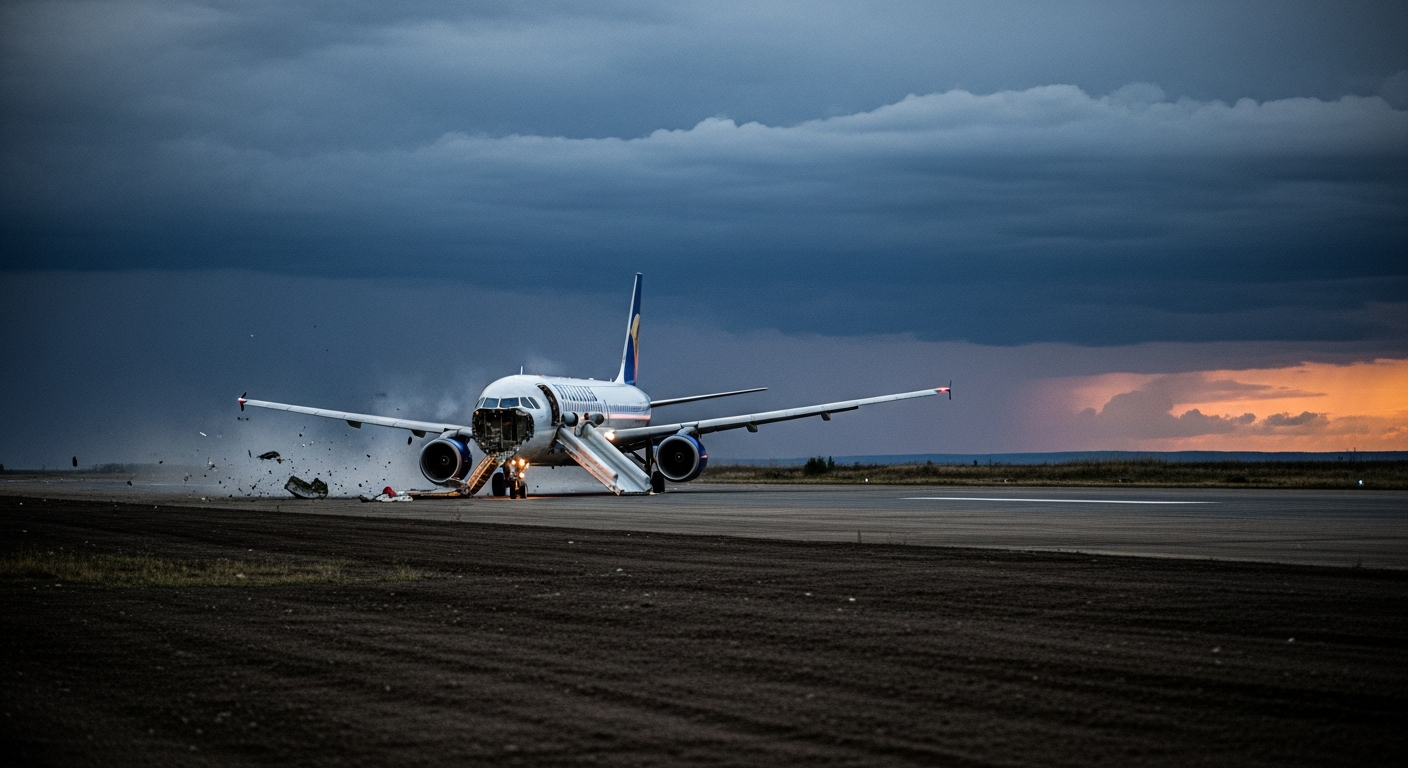
In a significant milestone for aviation safety, Garmin’s Emergency Autoland system successfully performed the first-ever complete autonomous emergency landing of a Beechcraft Super King Air after the aircraft lost cabin pressure over Colorado on December 20.
How the Historic Autonomous Landing Unfolded
When the twin-engine turboprop experienced a sudden, uncommanded loss of pressurization while flying across Colorado, Garmin’s Emergency Autoland system was automatically triggered as cabin altitude exceeded safe levels. The pilots, who were the only people aboard, donned their oxygen masks and made the conscious decision to allow the autonomous system to remain engaged throughout the emergency.
The system took complete control of the aircraft, selecting an appropriate landing destination based on factors such as distance and runway length. It also communicated directly with air traffic control, announcing: “Emergency autolanding, 19 minutes from runway 30R at KBJC.” The plane successfully landed at Rocky Mountain Metropolitan Airport near Denver at approximately 2:20 pm local time.
What Makes This Landing Significant
While various forms of autoland systems are commonly used to assist pilots during poor visibility conditions, Garmin’s system represents a new generation designed specifically for emergencies when pilots may be unable to fly the aircraft. This incident marks the first time such a system has handled a real-world emergency from start to finish.
Chris Townsley, CEO of Buffalo River Aviation (the plane’s operator), clarified that although the system performed exactly as expected, the pilots remained prepared to resume manual control if necessary. They “consciously elected to preserve and use all available tools and minimize additional variables in an unpredictable, emergent situation.”
Clarifying Initial Confusion
There was some initial confusion about the circumstances, as the system’s automated voice incorrectly told air traffic control that it had taken over due to “pilot incapacitation.” In reality, the pilots were conscious and made a voluntary decision to let the system handle the emergency landing.
Key Takeaways
- This marks the first complete emergency landing handled autonomously by Garmin’s Emergency Autoland system in a real-world situation.
- The system was triggered by cabin depressurization but pilots consciously chose to keep it engaged.
- The autonomous system selected the landing location, communicated with air traffic control, and executed the landing successfully.
- No passengers were on board, and both pilots disembarked safely after landing.
- The FAA is investigating the incident.
This successful emergency intervention represents a significant advancement in aviation safety technology, demonstrating how autonomous systems can effectively handle critical situations when needed.



GIPHY App Key not set. Please check settings