

 Thomas Unise
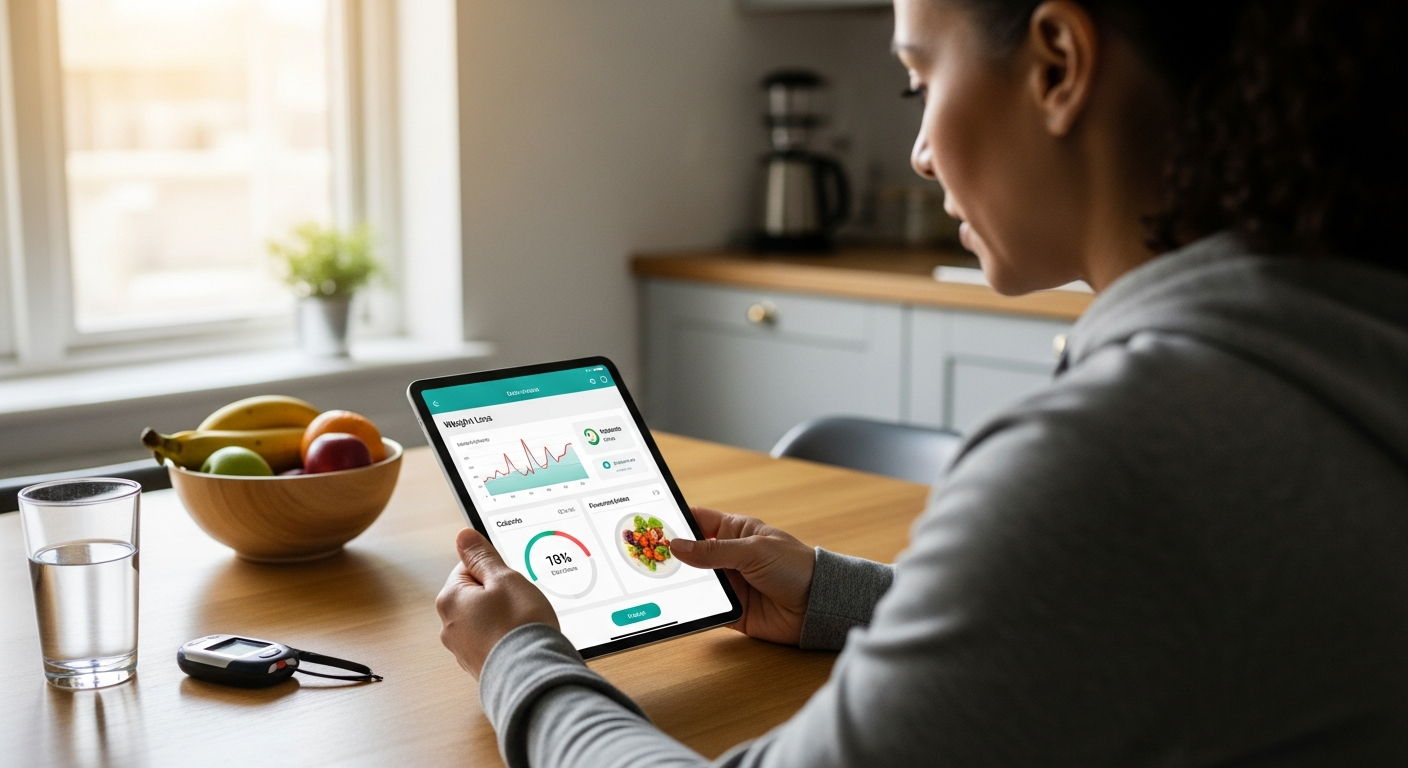
In a landscape dominated by GLP-1 drugs like Ozempic, Twin Health offers a technology-driven approach to weight loss and diabetes management without medication. The program combines wearables, AI, and health coaching to create a personalized “digital twin” of a user’s metabolism, helping individuals make sustainable lifestyle changes with remarkable results.
How Digital Twin Technology Works
Twin Health’s program utilizes a comprehensive set of devices including continuous glucose monitors, blood pressure cuffs, smart scales, and fitness trackers to collect real-time health data. This information feeds into an AI-powered app that creates a virtual replica of the user’s metabolism.
Users log their meals through the app, which categorizes foods as green, yellow, or red based on their potential impact on the individual’s blood sugar. The app then provides personalized recommendations throughout the day, such as adjusting portion sizes or suggesting post-meal activities to optimize metabolic health.
Proven Results
A clinical trial conducted by the Cleveland Clinic demonstrated the effectiveness of Twin Health’s approach:
- 71% of participants achieved improved blood sugar levels with fewer medications
- Users lost an average of 8.6% of their body weight (compared to 4.6% in the control group)
- GLP-1 medication use dropped from 41% to just 6% among Twin users
One success story is that of a 55-year-old retired firefighter who lost 100 pounds in less than a year using the program. After reaching his initial weight goal, he continued to improve his health and was able to reduce his blood pressure medication after decades of use.
Cost and Accessibility Benefits
With GLP-1 drugs costing $1,000-$1,500 per month per person, employers are increasingly turning to alternatives like Twin Health. The company operates on an outcomes-based payment model, receiving compensation only when users achieve specific health improvements.
Nearly 200 employers have enrolled tens of thousands of employees in the program, with companies like Blackstone reporting significant medication savings while still helping employees lose weight.
The Future of Digital Health Management
Experts believe this type of technology represents the future of metabolic health management. Dr. Bernard Zinman, a diabetes expert from the University of Toronto, notes that such interventions could potentially reverse diabetes or prevent it entirely if implemented early enough.
While some users might find the data collection invasive, Twin Health complies with HIPAA and state privacy laws, providing employers with only aggregated, anonymized reports on program enrollment and outcomes.
Conclusion
As healthcare costs continue to rise, particularly for weight management medications, digital twin technology offers a promising alternative that focuses on sustainable lifestyle changes rather than pharmaceutical interventions. The personalized, real-time guidance provided by these systems may help individuals achieve lasting health improvements without the ongoing expense and potential side effects of medication.



GIPHY App Key not set. Please check settings