

 Thomas Unise
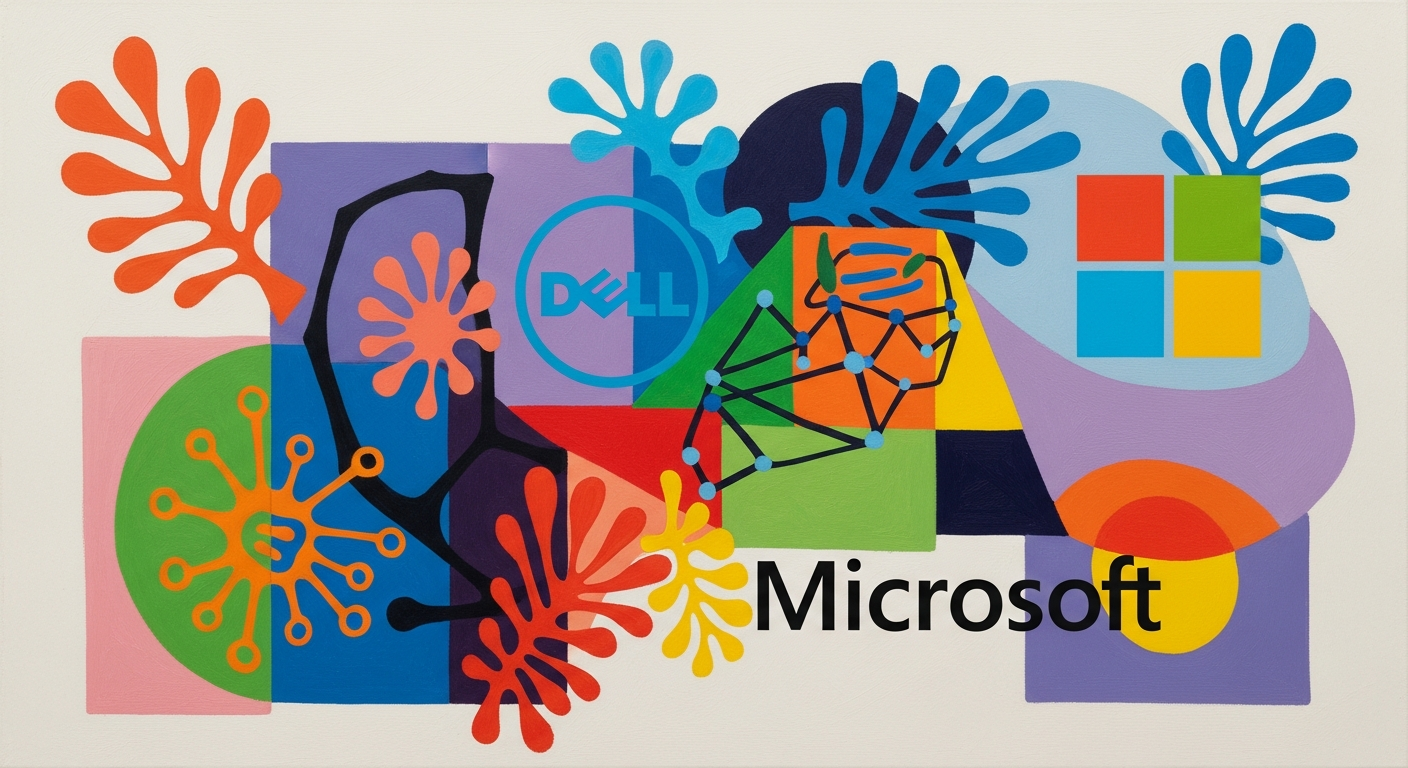
The tech industry’s aggressive push to integrate AI into consumer products is facing significant pushback, with Dell openly acknowledging at CES that consumers aren’t buying computers based on AI capabilities. This represents a notable shift in perspective from major hardware manufacturers.
Key Takeaways from Dell’s AI Admission
Dell’s head of product, Kevin Terwilliger, made a candid admission during a pre-CES briefing that marks a potential turning point in how companies market their products. “What we’ve learned over the course of this year, especially from a consumer perspective, is they’re not buying based on AI,” Terwilliger stated. “In fact I think AI probably confuses them more than it helps them understand a specific outcome.”
This statement comes after the tech industry’s relentless integration of AI features into consumer products, often without user consent or clear benefits. Microsoft has been particularly aggressive with its “AI PC” strategy in Windows 11, leading to consumer frustration and the emergence of derogatory terms like “Microslop.”
Consumer Frustration with Forced AI
The original article highlights several key issues driving consumer dissatisfaction:
- Unwanted AI features being integrated into essential software and hardware
- AI applications that cannot be uninstalled
- Hallucinating AI assistants that provide questionable value
- The transformation of everyday tools into testing grounds for unproven AI technology
Microsoft CEO Satya Nadella has defended the company’s approach, describing AI development as a “messy process of discovery” while dismissing criticism. However, Dell’s market-driven reassessment suggests that consumer sentiment is having a real impact on business strategies.
Industry Implications
Dell’s pivot away from AI-centric marketing is significant as it indicates that major manufacturers are beginning to recognize the disconnect between industry hype and actual consumer needs. The company is still including neural processing units (NPUs) in all new products but is no longer leading with AI as the primary selling point.
In a related move that further demonstrates Dell’s renewed focus on consumer preferences, the company announced the revival of its popular XPS laptop line for 2026, a decision that has been met with enthusiasm from customers.
Looking Forward
While Dell’s acknowledgment represents a potential turning point, it remains to be seen whether other companies, particularly Microsoft as the Windows developer, will follow suit. The industry-wide AI push has also contributed to rising PC component prices, creating additional consumer pain points.
The situation highlights the ongoing tension between technology companies’ strategic visions and the practical needs and preferences of their customers. As Dell’s experience suggests, companies that listen to consumer feedback rather than forcing unwanted features may ultimately gain competitive advantage.

GIPHY App Key not set. Please check settings