

 Thomas Unise
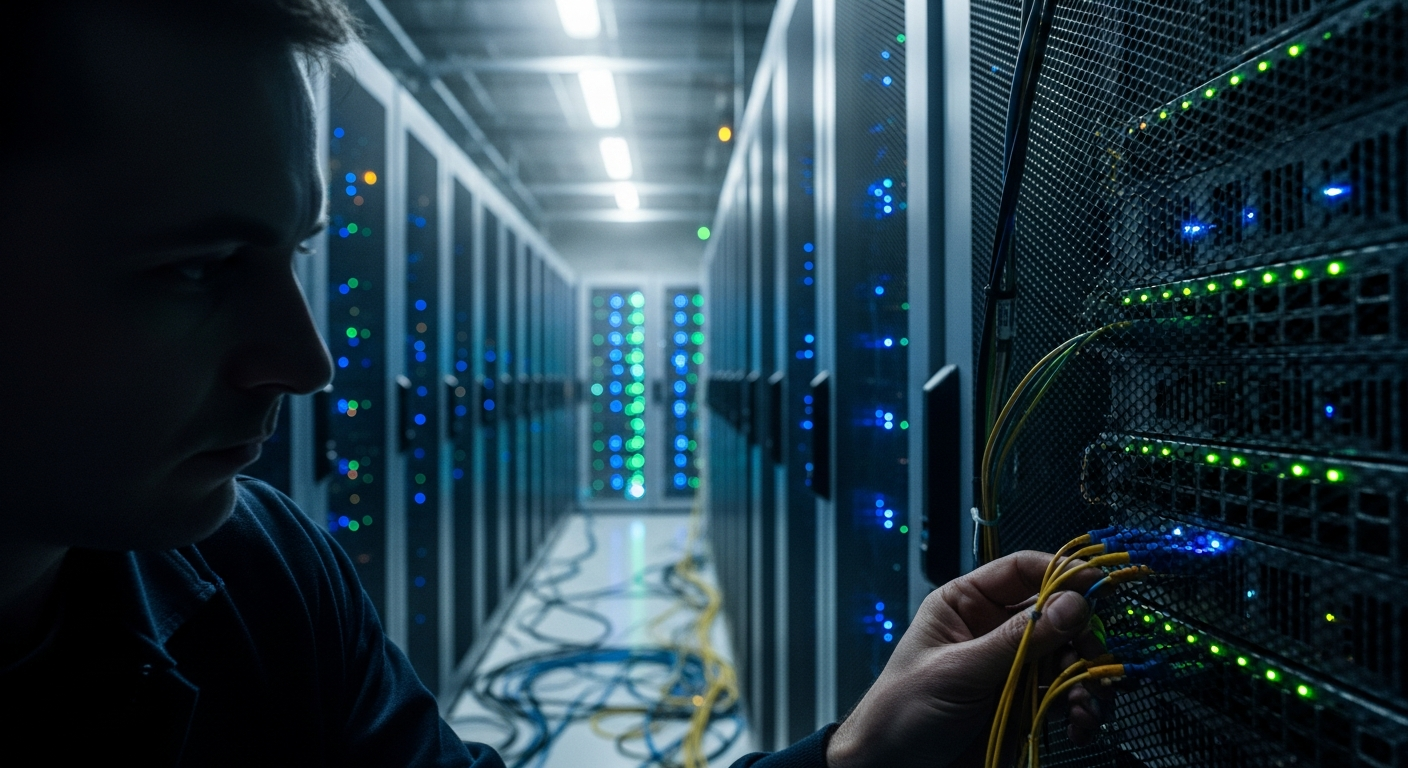
Sam Altman and other tech executives are rapidly expanding their AI empires through massive data center investments, mirroring the territorial expansion of ancient Rome. These infrastructure projects represent the latest evolution in computing history, from mainframes to cloud computing to today’s AI-powered data centers.
The New AI Infrastructure Boom
The generative AI era has triggered unprecedented capital investments in computing infrastructure. Major tech companies are making massive commitments:
- OpenAI, Microsoft, SoftBank, and Oracle announced “Stargate” – a project with initial funding of $100 billion, potentially scaling to $500 billion
- Microsoft plans approximately $80 billion for AI-enabled data centers worldwide
- Nvidia committed up to $100 billion to OpenAI (contingent on OpenAI using Nvidia systems)
- AMD offered OpenAI up to 10% ownership stake if OpenAI deploys AMD GPUs
The Circular Investment Pattern
These deals often feature a circular structure – companies invest in each other while simultaneously being customers of one another. This arrangement has raised concerns about a potential AI bubble forming in the industry.
Real-World Impacts
The rapid expansion of AI infrastructure is creating significant downstream effects:
- Energy demands for AI are projected to surpass Bitcoin mining by year’s end
- Data centers are drawing heavily on municipal water supplies for cooling
- Local communities near construction sites report infrastructure strain, including traffic problems and water issues
- In Richland Parish, Louisiana, vehicle crashes increased 600% near Meta’s $27 billion Hyperion data center
Industry Optimism vs. Reality
Tech executives remain bullish, with AMD CEO Lisa Su emphatically rejecting the notion of AI overinvestment. Industry leaders cite overwhelming demand for AI services, pointing to ChatGPT’s 800 million weekly users as evidence.
However, questions remain about the economic predictions, resource availability, and timing of returns on these massive investments. As the article concludes: “Even Rome eventually collapsed.”
Key Takeaway
While generative AI is undeniably transforming computing, the scale and speed of infrastructure investment raise important questions about sustainability, economic rationality, and who ultimately benefits from this new technological empire.


GIPHY App Key not set. Please check settings