

 Thomas Unise
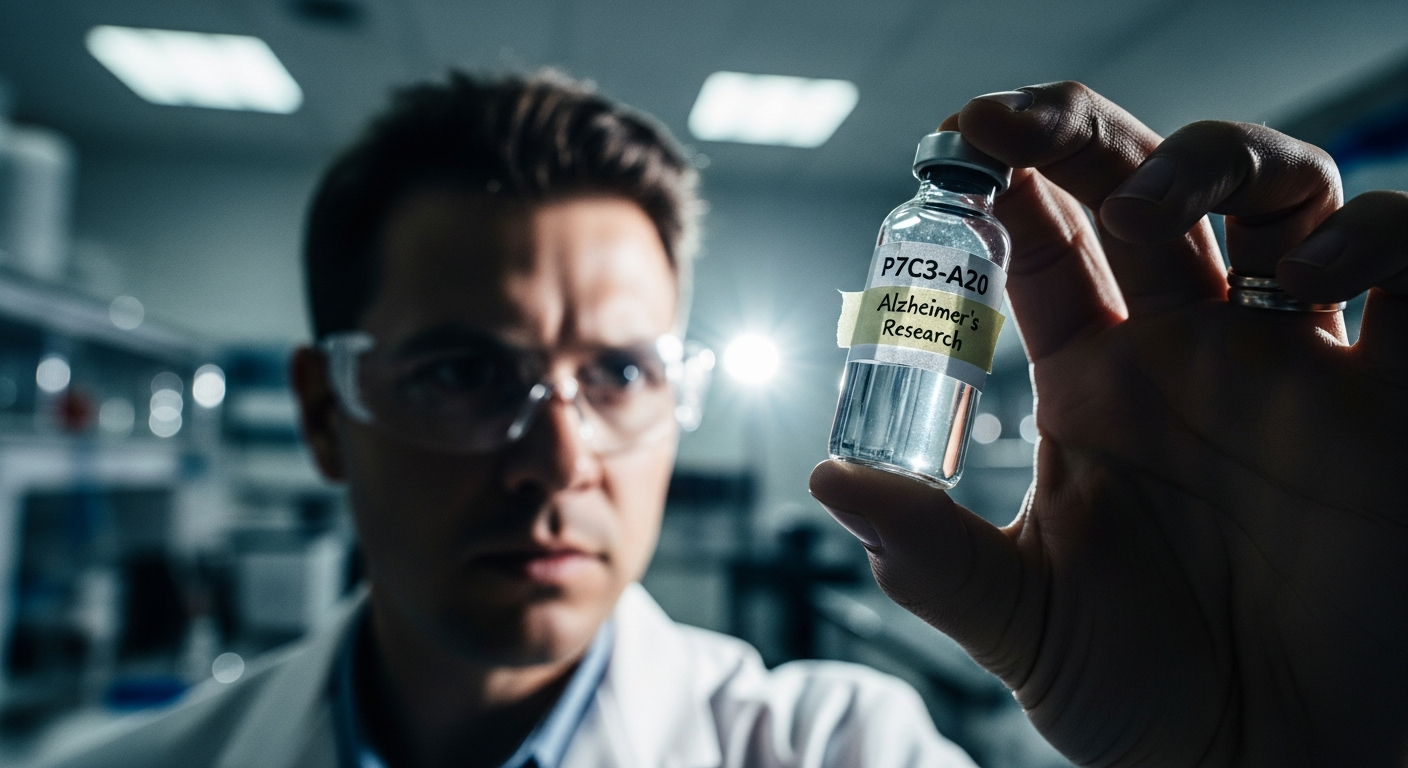
American scientists have achieved a remarkable breakthrough in Alzheimer’s research by successfully treating and even reversing the disease in laboratory mice using a compound called P7C3-A20. This groundbreaking study offers new hope for millions of Alzheimer’s patients worldwide.
The Breakthrough Study
Researchers from Case Western Reserve University, University Hospitals, and the Louis Stokes Cleveland VA Medical Center collaborated on this promising study published in Cell Reports Medicine. The team administered P7C3-A20 to mice genetically predisposed to develop Alzheimer’s disease, with astonishing results.
“The key takeaway is a message of hope — the effects of Alzheimer’s disease may not be inevitably permanent,” stated Andrew A. Pieper, the study’s principal investigator and neuroscience professor at CWRU. “The damaged brain can, under some conditions, repair itself and regain function.”
How P7C3-A20 Works
The research focused on NAD+, a crucial molecule that drives cellular metabolism and naturally decreases with age. Alzheimer’s patients typically experience significant NAD+ reduction in the brain, impairing normal cellular function and increasing inflammation.
The study demonstrated that P7C3-A20 successfully:
- Prevented Alzheimer’s development when administered to predisposed mice at two months of age
- Completely restored cognitive ability in mice with advanced Alzheimer’s at six months of age
- Returned NAD+ to normal levels in the brain
- Worked effectively in mice with different genetic causes of Alzheimer’s
Importantly, P7C3-A20 offers a safer alternative to over-the-counter NAD+ precursor supplements, which Pieper warns can raise NAD+ to potentially cancer-causing levels.
Part of a Promising Wave
This breakthrough joins a growing number of promising Alzheimer’s research developments. University of Edinburgh neuroscience professor Tara Spires-Jones predicts that scientists may develop “truly life-changing” treatments within the next 5-10 years.
Researchers are also making significant progress in understanding Alzheimer’s causes, which appear to involve multiple factors including genetics, environment, and various stressors. This suggests future treatments might be personalized for each patient’s specific situation.
Looking Forward
While the research team aims to move toward human clinical trials, the excitement surrounding P7C3-A20 has already led to websites selling the compound directly to consumers—raising concerns about unregulated use.
Nevertheless, this study represents a significant step forward in Alzheimer’s research, offering genuine hope that this devastating condition might someday be effectively treated or even cured rather than simply managed.



GIPHY App Key not set. Please check settings