

 Thomas Unise
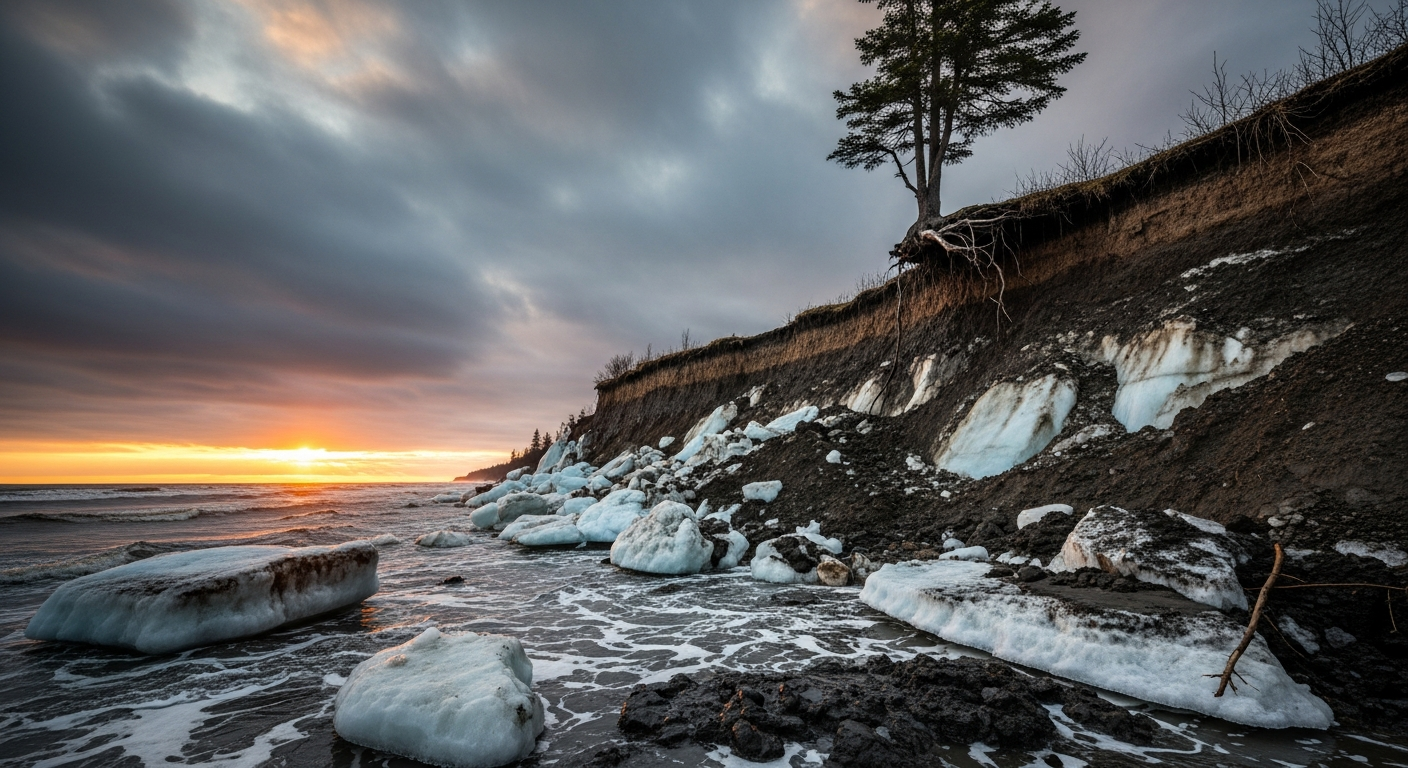
Alaska’s rivers are turning a striking orange color, not from pollution but from rust released as permafrost thaws due to climate change, according to NOAA’s annual Arctic report. This phenomenon signals the Arctic’s accelerated warming compared to the rest of the world.
Key Findings
The orange waterways, first noticed in 2018, result from melting permafrost releasing iron into the soil. When exposed to water and air, this iron oxidizes, creating the distinctive rust color that now stretches across hundreds of miles of Alaskan terrain.
Scientists explain that as ground that normally remains frozen year-round thaws, it unlocks iron in the soil. This iron doesn’t turn orange until it reaches streams, where it precipitates and creates the alarming discoloration.
Environmental Impact
The rusty rivers increase water acidity, potentially harming local wildlife. Juvenile Dolly Varden char fish populations have already declined sharply, likely due to the iron contamination in their habitat. This disruption affects the entire food chain, including the livelihoods of people living in the Arctic region.
Broader Climate Implications
Matthew Druckenmiller, lead author of the NOAA report and senior scientist with the National Snow and Ice Data Center, describes the Arctic as a “giant fridge for the planet.” Its warming has global consequences, including rising sea levels and disrupted weather patterns.
The NOAA report emphasizes that the Arctic is warming several times faster than Earth as a whole, transforming northern landscapes, ecosystems, and the lives of Arctic peoples. This transformation extends to the Arctic’s role in global climate, economic, and societal systems.
Ongoing Monitoring
Local scientists continue to monitor the situation, though the full extent of potential harm to residents from the contaminated water remains unclear. The widespread nature of this phenomenon – covering hundreds of miles – makes it a significant environmental concern.
Conclusion
Alaska’s orange rivers serve as a visible and alarming indicator of climate change’s impact on the Arctic region. Beyond their striking appearance, these rust-colored waterways represent serious ecological disruption that affects wildlife, local communities, and potentially global climate patterns.



GIPHY App Key not set. Please check settings