

 Thomas Unise
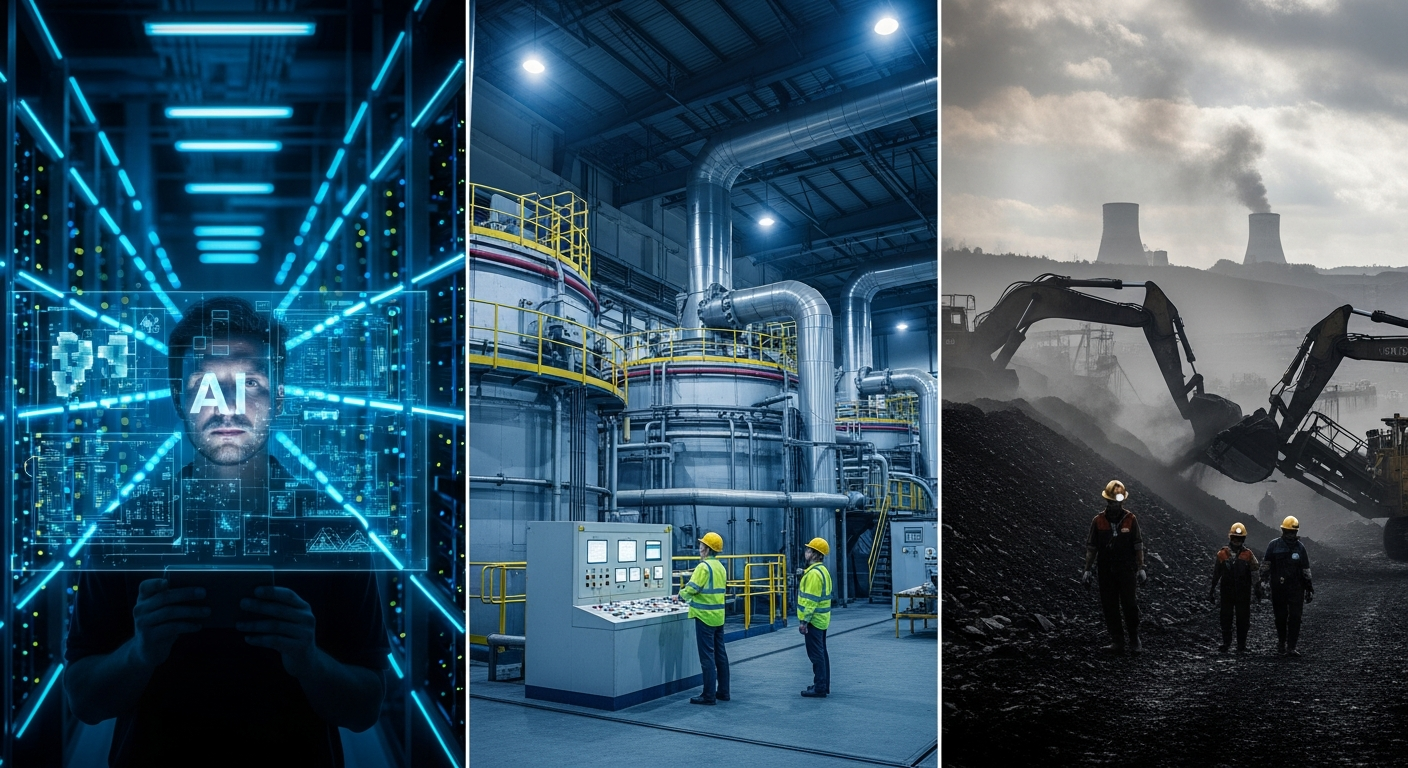
The Trump administration is giving nuclear and coal power a second chance, driven by the increasing energy demands of artificial intelligence. This marks a significant shift from previous failed attempts to revive these industries.
Nuclear Power’s AI-Driven Revival
In 2017, the Trump administration’s efforts to subsidize struggling coal and nuclear plants ultimately failed. Nuclear faced particular challenges, with three plants shutting down since 2020 and construction projects stalling amid political scandals. Coal continued its decline, dropping from 45% of the US power mix in 2010 to just 17% today.
Now in 2025, nuclear power is being positioned specifically as a solution to AI’s growing energy needs. President Trump signed executive orders in May mandating the construction of 10 new large reactors by 2030. The Department of Energy has established pilot programs that have already led to breakthroughs from smaller startups.
Tech giants including Google, Amazon, and Microsoft have partnered with nuclear companies to power their data centers, with Microsoft even joining the World Nuclear Association and supporting the restart of Three Mile Island with federal backing. Public support for nuclear energy is at its highest level since 2010.
Challenges Despite the Momentum
Despite this renewed enthusiasm, nuclear power faces significant practical challenges. Construction costs remain the primary obstacle rather than regulations. Critics question the inflated valuations of small modular reactor companies, especially those with close ties to the Trump administration. An $80 billion government deal with Westinghouse lacks critical details, and timelines for getting reactors operational remain problematic despite tech companies’ promises.
Coal’s Temporary Lifeline
Coal is also receiving attention through executive orders signed in April to boost its use for AI power needs. Energy Secretary Chris Wright has ordered plants scheduled for retirement to remain operational, while the administration has worked to reduce pollution regulations.
This has extended a lifeline to the industry, with over two dozen generating units that were scheduled to retire now remaining online. However, a complete recovery seems unlikely, as most major US utilities continue to reduce their reliance on coal, often looking to replace it with nuclear power.
Coal also suffers from negative public perception. While tech companies eagerly align with emission-free nuclear power, none have publicly partnered with coal plants or promoted increased coal usage in their energy mix.
Market Realities vs. Government Preferences
Government favoritism cannot overcome market forces. Utility-scale solar and onshore wind remain among the cheapest energy sources, even without subsidies. While the US looks backward, countries like China are rapidly expanding renewable energy, resulting in declining emissions despite their AI ambitions.
If the administration’s goal is to compete with China on AI development, it might need to reconsider its energy strategy.


GIPHY App Key not set. Please check settings