

 Thomas Unise
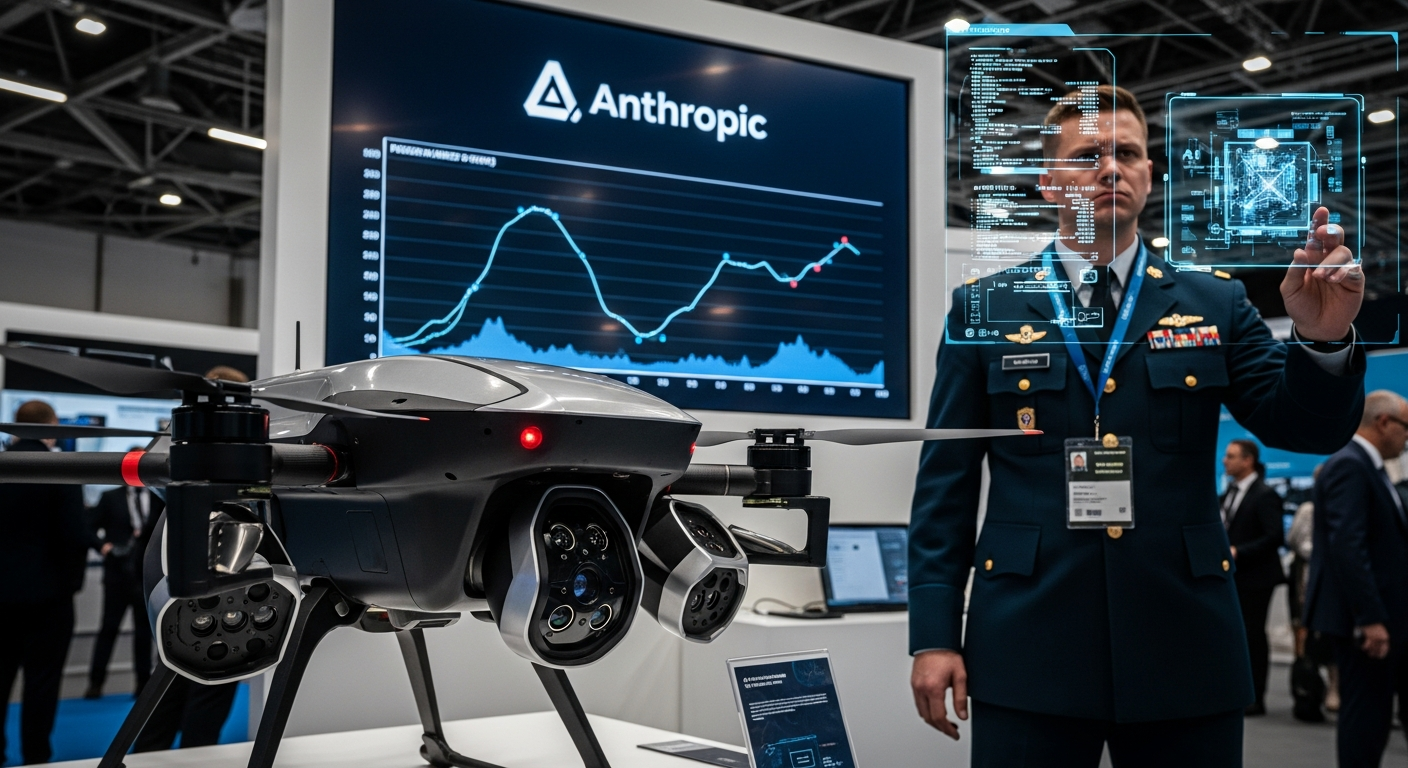
The Wall Street Journal recently reported that the US military used Anthropic’s Claude AI chatbot during operations involving Venezuela’s President Nicolás Maduro, raising significant questions about AI ethics and military applications. This incident highlights growing tensions between AI companies and military objectives.
Key Details of the Claude AI Military Usage
According to reports, Claude was deployed through Anthropic’s partnership with military contractor Palantir. While specific details remain unclear, the incident demonstrates the Pentagon’s increasing prioritization of AI in military operations. When questioned, Anthropic provided a measured response, stating that any use of Claude must comply with their usage policies, without confirming or denying the specific operation.
This deployment follows Anthropic’s significant contract with the Pentagon – worth up to $200 million – which was part of the military’s broader AI adoption strategy that also includes partnerships with OpenAI, Google, and xAI.
Policy Conflicts and Ethical Concerns
Anthropic’s usage guidelines explicitly prohibit Claude from being used to “facilitate or promote any act of violence,” “develop or design weapons,” or conduct “surveillance.” These restrictions have created friction with the Trump administration, which is now reportedly considering scaling back or ending the partnership.
A senior administration official told Axios that “everything’s on the table,” including finding replacements for Anthropic if necessary. The company reportedly contacted Palantir to determine exactly how Claude was used in Venezuela, signaling their concern about military applications of their technology.
Broader Implications
This incident highlights a fundamental culture clash between AI developers and military objectives. Anthropic CEO Dario Amodei has consistently advocated for greater oversight and regulation of AI, particularly regarding autonomous lethal operations and domestic surveillance. In a recent essay, he argued that large-scale AI-facilitated surveillance should be considered a crime against humanity.
Meanwhile, Defense Secretary Pete Hegseth has made it clear that the Pentagon won’t “employ AI models that won’t allow you to fight wars” – a statement that reportedly concerned Anthropic.
Public Response
Despite potential government contract issues, Anthropic’s stance appears to have resonated positively with many of its non-government users. One top post on the Claude subreddit praised the company, stating: “Good job Anthropic, you just became the top closed [AI] company in my books.”
Anthropic maintains that it’s “committed to using frontier AI in support of US national security” while continuing to advocate for responsible AI development and deployment.
Conclusion
The incident reveals the complex challenges facing AI companies as their technologies become increasingly capable and sought after by military and intelligence agencies. As AI capabilities advance, questions about appropriate use cases, ethical boundaries, and the responsibility of AI developers will only become more pressing for both the industry and society.


GIPHY App Key not set. Please check settings