

 Thomas Unise
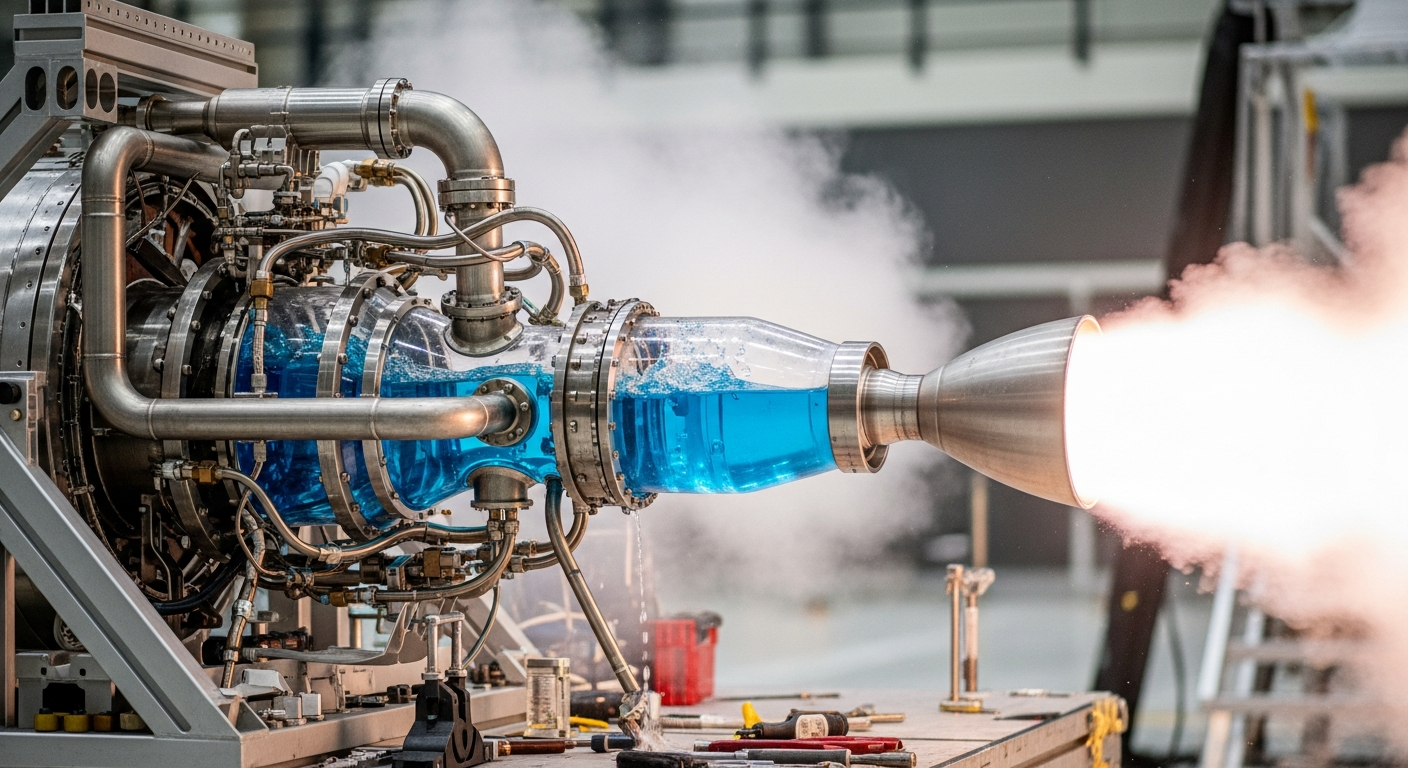
A former SpaceX engineer is launching an experimental satellite to test using water as rocket fuel in space, potentially revolutionizing how spacecraft maneuver and refuel using resources found on distant worlds.
The Water-Powered Propulsion Concept
General Galactic, founded by former SpaceX engineer Halen Mattison, is preparing to launch an 1,100-pound satellite on a Falcon 9 rocket this October. This ambitious experiment aims to demonstrate water’s viability as a propellant for both electrical and chemical propulsion systems in space.
The satellite will test two distinct propulsion methods:
- Chemical propulsion: Splitting water into hydrogen and oxygen through electrolysis, then burning the hydrogen with oxygen as an oxidizer
- Electrical propulsion: Converting oxygen from electrolysis into plasma using strong electrical currents
Potential Applications and Benefits
The technology could serve multiple purposes if successful:
- Military applications: Providing defensive maneuverability for satellites, especially relevant as US satellites have reportedly been shadowed by Chinese and Russian spacecraft
- Space exploration: Enabling astronauts to produce return-journey fuel from resources found on the Moon, Mars, or other celestial bodies
- Extended missions: Potentially allowing spacecraft to refuel using in-situ resources rather than carrying all necessary fuel from Earth
Challenges and Skepticism
Despite the promising concept, significant technical hurdles remain:
- Ionized oxygen may corrode satellite electronics, complicating material selection and design
- The mass of the electrolysis system itself could negate efficiency advantages over conventional rocket fuels
- The overall performance might not surpass existing propulsion technologies
The Bigger Picture
This experiment connects to broader space resource utilization efforts. Scientists are already researching methods to extract water and oxygen from lunar regolith and Martian rocks. If General Galactic’s demonstration proves successful, it could complement these extraction technologies to create a viable in-space refueling system.
While scientists remain skeptical about water-based propulsion’s efficiency, the concept’s potential for enabling long-duration missions and emergency return capabilities makes it worthy of investigation. The upcoming satellite launch represents a critical step in determining whether this decades-old theoretical concept can become practical reality.



GIPHY App Key not set. Please check settings