

 Thomas Unise
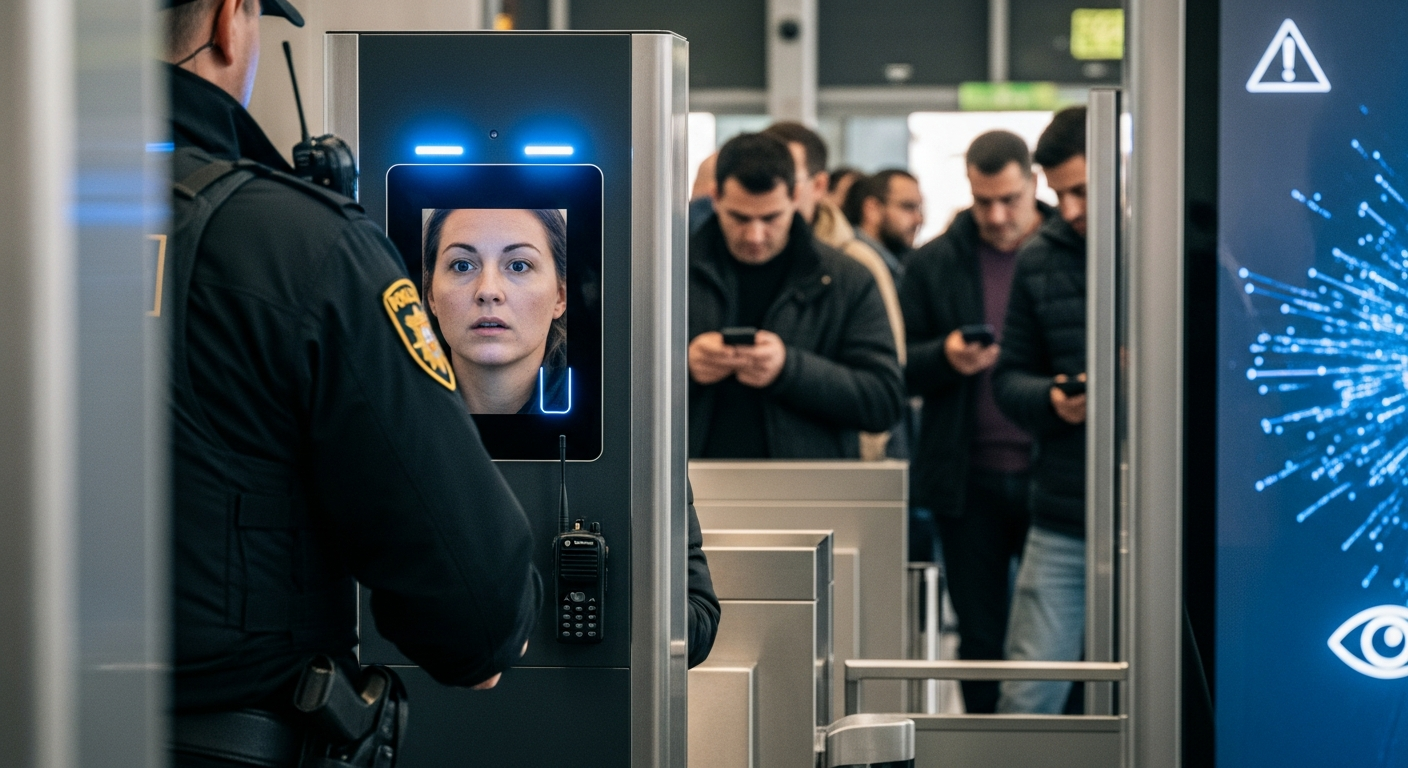
Customs and Border Protection (CBP) has entered into a $225,000 annual contract with Clearview AI, providing its intelligence units access to a face recognition database containing over 60 billion scraped internet images. This arrangement has sparked significant privacy and surveillance concerns among civil liberties advocates and lawmakers.
Key Details of the CBP-Clearview Partnership
The contract extends Clearview AI access to Border Patrol’s headquarters intelligence division and the National Targeting Center, units responsible for analyzing potential security threats. According to contract documents, the technology will be used for “tactical targeting” and “strategic counter-network analysis,” suggesting it will be integrated into daily intelligence operations rather than limited to specific investigations.
Clearview’s database contains billions of images scraped from public websites without individuals’ knowledge or consent. These images are converted into biometric templates that can be searched when agents upload photos of persons of interest.
Privacy and Civil Liberties Concerns
The contract raises several critical concerns:
- The agreement doesn’t specify whether US citizens’ photos will be included in searches
- No clear limitations exist on what types of photos agents can upload
- Retention policies for uploaded images and search results remain undefined
- The technology is potentially being deployed as routine intelligence infrastructure rather than as a limited investigative tool
Senator Ed Markey has introduced legislation that would prohibit ICE and CBP from using face recognition technology altogether, citing the lack of transparency, clear limitations, and public consent in the deployment of biometric surveillance systems.
Technical Limitations and Accuracy Concerns
Testing by the National Institute of Standards and Technology (NIST) has revealed significant limitations in face recognition technology:
- Systems perform well with high-quality, controlled images but struggle with photos not originally intended for facial recognition
- Error rates can exceed 20% in less controlled settings, even with more accurate algorithms
- Systems cannot reduce false matches without increasing the risk of failing to recognize the correct person
- When configured to always return candidates, searches for people not in the database will generate matches that are 100% incorrect
Integration with Existing Systems
While CBP hasn’t clarified exactly how Clearview will integrate with its systems, the technology likely connects to the agency’s Automated Targeting System, which links biometric galleries, watchlists, and enforcement records. This system extends beyond border operations to include Immigration and Customs Enforcement activities throughout the United States.
DHS’s artificial intelligence inventory also links Clearview to a CBP pilot initiated in October 2025, potentially connected to the Traveler Verification System used at ports of entry and other border screenings.
Broader Implications
This contract represents a significant expansion of facial recognition technology in law enforcement and border security operations. The lack of clear guidelines, transparency, and oversight raises substantial questions about privacy protections, potential for misidentification, and the appropriate scope of biometric surveillance in democratic societies.


GIPHY App Key not set. Please check settings