

 Thomas Unise
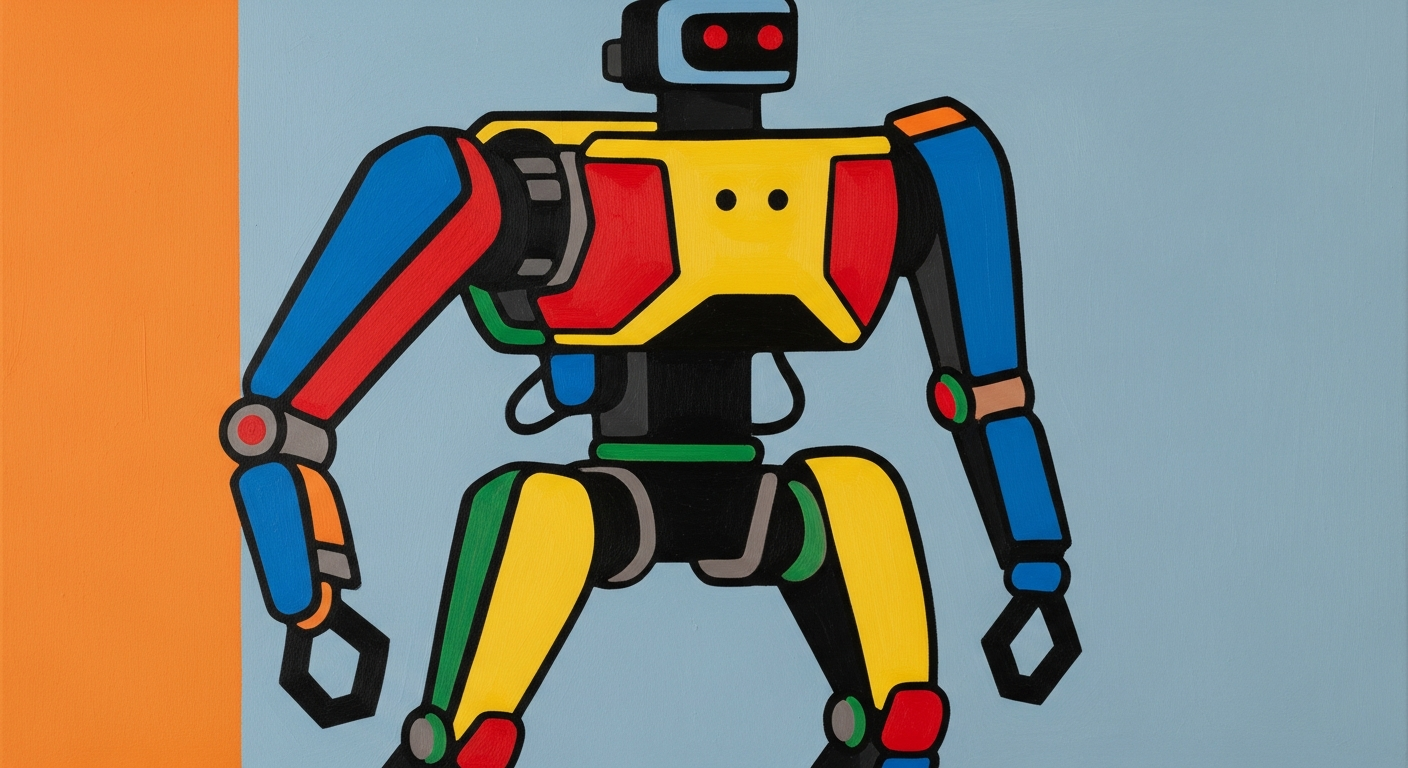
Boston Dynamics has revealed a production-ready version of its humanoid Atlas robot at CES, featuring revolutionary joint technology that allows for complete 360-degree rotation of its wrists, hips, and neck – capabilities that intentionally break from human anatomical constraints.
Key Features and Developments
The latest Atlas robot demonstration showcased its ability to perform movements impossible for humans, including spinning its head like a character from “The Exorcist” and rotating its hands like drills. Standing at six-foot-two and weighing 200 pounds, the robot represents Boston Dynamics’ philosophy that robotics should improve upon nature rather than merely replicate it.
“There’s more to it than just copying nature,” explained Boston Dynamics CEO Robert Playter during the announcement. “We can pick the best parts of what nature has to offer and do better in others.”
Strategic Partnerships and Future Applications
The company also announced a partnership with Google’s DeepMind to enhance their robots with advanced AI capabilities. Boston Dynamics, now owned by Hyundai, plans to deploy Atlas in Hyundai’s EV manufacturing facility by 2028, though pricing and general availability details remain undisclosed.
Previous demonstrations have shown Atlas manipulating car parts and performing complex breakdancing movements, highlighting its dexterity and agility despite its significant size.
Industry Debates
The unveiling occurs amid ongoing debates about the ideal form factor for industrial robots. Not all experts agree that humanoid robots represent the most practical approach for replacing human labor in industrial settings.
McKinsey partner Alex Panas noted to NBC News: “I think the question comes back to what are the use cases and where is the applicability of the technology. In some cases, it may look more humanoid. In some cases, it may not.”
Some industry observers have warned that humanoid robots could become the next financial bubble, questioning their long-term viability compared to other robotic designs.
Conclusion
Boston Dynamics appears to be taking a hybrid approach by maintaining the general humanoid form while strategically breaking from human anatomical limitations where it provides functional advantages. This philosophy may help address some criticisms about bipedal robots being inherently less stable than four-legged or wheeled alternatives while preserving the advantages of a human-like form factor for certain applications.


GIPHY App Key not set. Please check settings